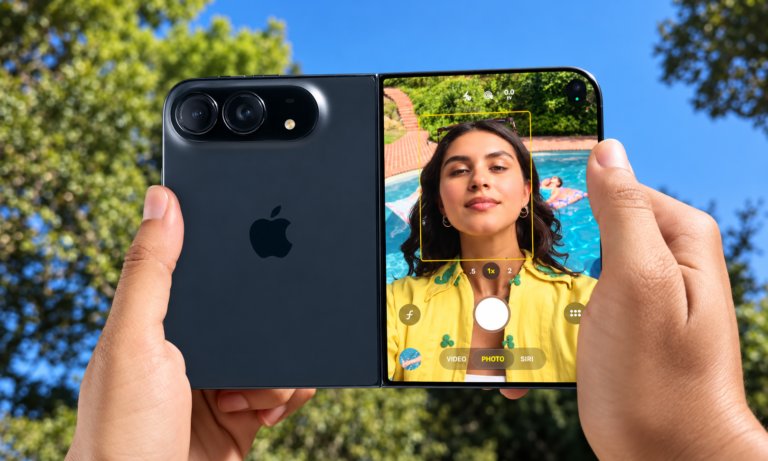
Apple takes aim at Samsung’s foldable stronghold as Ternus fronts first launch
 David Richards
08 Sep 2026
David Richards
08 Sep 2026
Apple will move directly onto Samsung’s most valuable territory on Thursday Australian time, with its first foldable iPhone expected to headline the first product launch under new chief executive John Ternus.
The device, widely tipped to be called the iPhone Ultra, is expected to be a limited supply product priced above A$3,500, more than many notebook computers, and marks Apple’s entry into a category Samsung created and has spent seven product generations building.
Ternus, Apple’s former hardware chief, ran the division that developed the foldable for at least eight years. Outgoing chief executive Tim Cook has handed his successor the chance to front a high stakes launch in his second week running the world’s second most valuable company.
What is expected
Reports point to a book style design with a 7.8 inch internal display and a 5.5 inch external screen, an A20 Pro processor, Apple’s C2 modem and a redesigned hinge intended to minimise the visible display crease. Touch ID is expected in place of Face ID.
Also tipped for the event are the iPhone 18 Pro and Pro Max, the Apple Watch Series 12 and Watch Ultra 4, and new AirPods, although reports disagree on the timing of the audio products. A standard iPhone 18 may not appear until early 2027.
Why Samsung is exposed
Foldables account for only about 2% of global smartphone sales, but Counterpoint Research expects shipments to grow around 20% during 2026. Analysts cited by the Financial Times believe Apple could take as much as 40% of the foldable market during 2027 and sell around 10 million devices in its first year.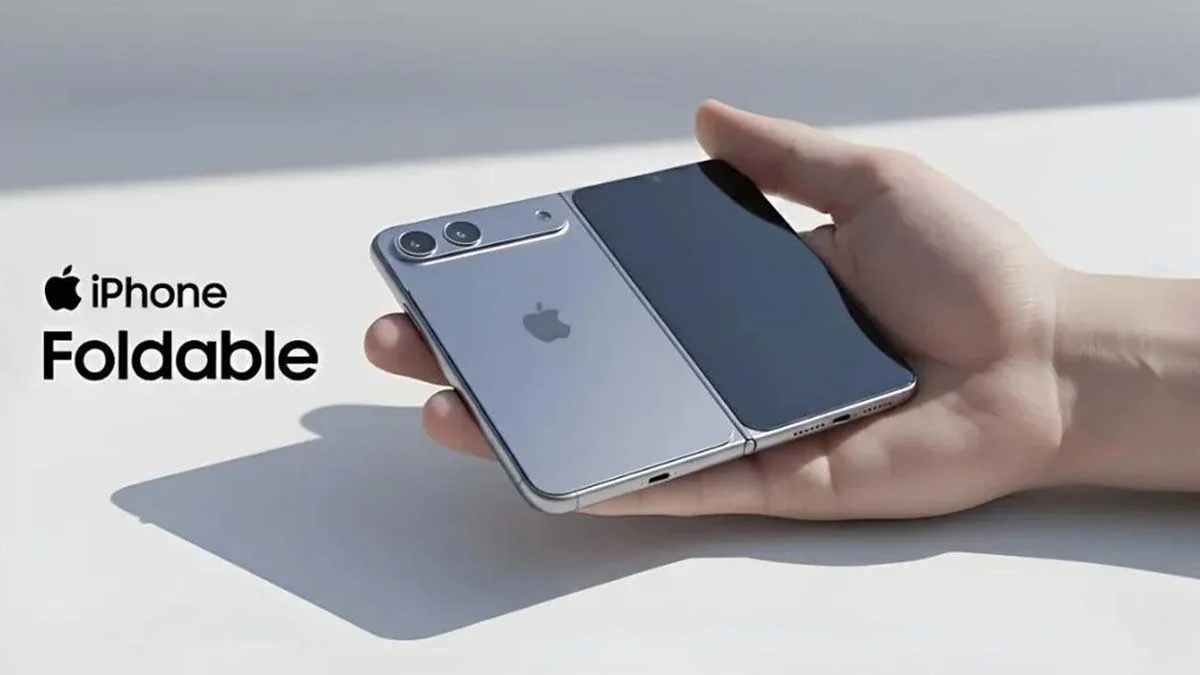
The contest is not over total handset volume, which Samsung is expected to keep leading in the short term. It is over the buyers willing to spend between A$2,000 and A$4,000 on a phone, at a point where Samsung’s handset margins are already under pressure.
Apple does not need to invent the category. It only needs to make the format look dependable and desirable to its installed base.
Samsung executives at IFA 2026 indicated the move had been anticipated inside the South Korean company.
Samsung’s problems
Samsung retains real advantages, including years of foldable engineering, multiple form factors, in house display and memory technology, and the largest unit share in the global smartphone market.
It enters Apple’s launch window carrying four problems.
Pricing is rising. Samsung lifted US prices on the Galaxy Z Fold8 Ultra and Flip8 by US$100 as memory and component costs climbed.
Margins are being squeezed. Memory and storage reportedly account for more than 30% of the material cost of premium phones and more than 60% in some budget devices. Samsung’s semiconductor business gains from higher memory prices, but its mobile division must absorb them or pass them on.
Its volume strategy is exposed. Samsung depends far more heavily than Apple on entry level and mid market handsets, the categories hit hardest by the memory shortage because there is less margin available to absorb component increases.
Differentiation is harder. The Fold8 range leans heavily on Google’s Gemini, giving Samsung capable AI features that rival Android makers can also offer. Samsung is now fighting Apple at the top end while facing Oppo, Google and Motorola in foldables, alongside Chinese manufacturers pushing thinner designs, larger batteries and aggressive pricing.
The upside for Samsung
There is a scenario in which Apple’s entry helps Samsung. If Apple legitimises the format and grows the category, Android users who decide they want a foldable have an obvious destination in the company that pioneered it.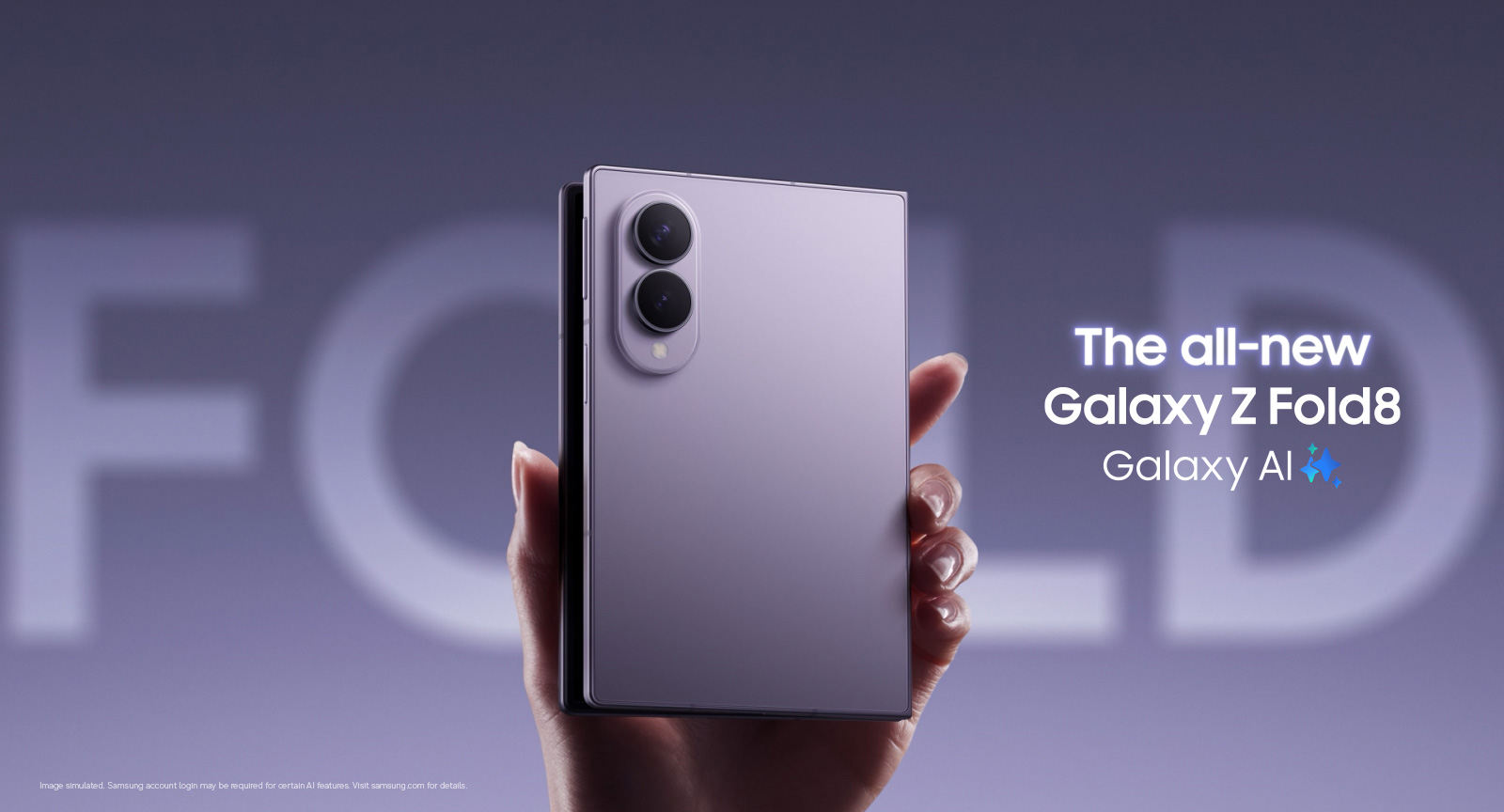
Apple’s risks
Thursday is not risk free for Apple either. Earlier foldables have drawn criticism over screen creases, durability and practical value, and Apple must show the product is more than an expensive status symbol.
The company is also under pressure over its delayed Apple Intelligence and Siri strategy, its dependence on external AI technology including Google models, rising memory and manufacturing costs, weakness in China where Huawei has recovered, and the risk that higher prices slow the upgrade cycle.
If Apple’s foldable convinces, Samsung stands to lose more than share. It risks losing ownership of the premium foldable market and its standing as the industry’s principal hardware innovator.