Apple Accused of Forcing Upgrades as Millions of iPhone and Apple Watch Owners Face Obsolescence
 David Richards
11 Jun 2026
David Richards
11 Jun 2026
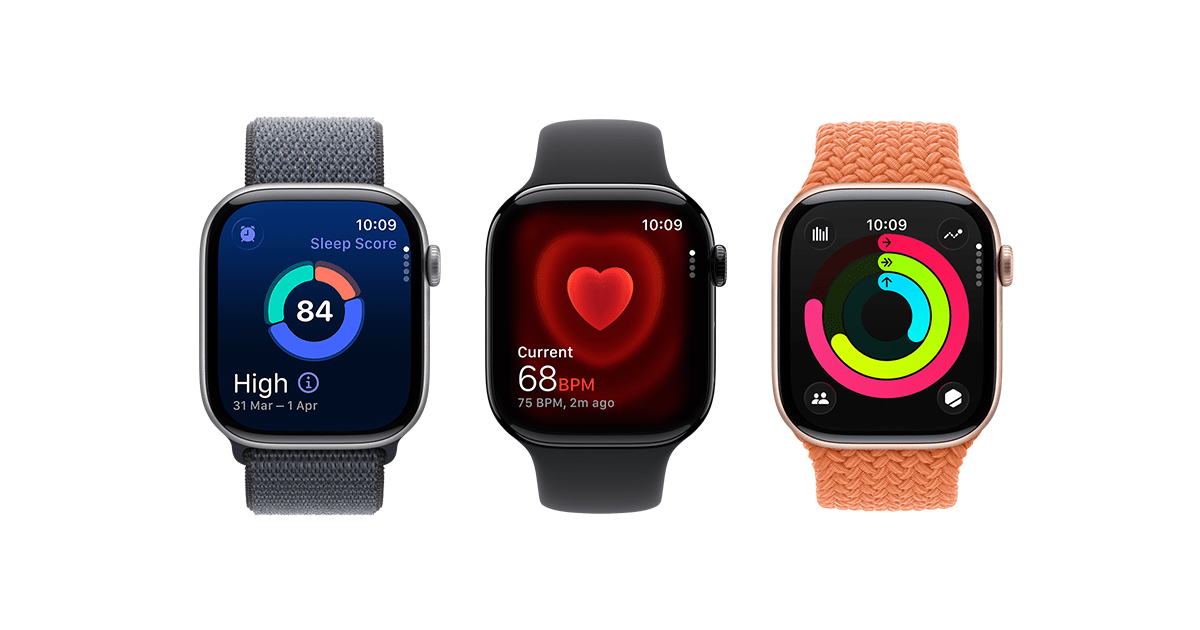
Apple is facing growing criticism after revealing a series of software changes that could leave millions of existing iPhone and Apple Watch owners locked out of future features, security updates and AI capabilities, in what critics describe as a deliberate strategy to drive hardware upgrades and boost sales.
At this year’s Worldwide Developers Conference, WWDC, Apple focused heavily on its future software roadmap. However, buried beneath the headline announcements was a reality that many current customers may not welcome, a growing list of devices that will no longer receive support or gain access to the company’s latest technology.
The biggest shock came for Apple Watch owners. Apple confirmed that several popular watch models will not support the upcoming watchOS 27 operating system, effectively ending their access to new features and future software improvements.
Owners of the following devices are set to miss out:
• Apple Watch SE (2nd generation)
• Apple Watch Series 6
• Apple Watch Series 7
• Apple Watch Series 8
• Apple Watch Ultra
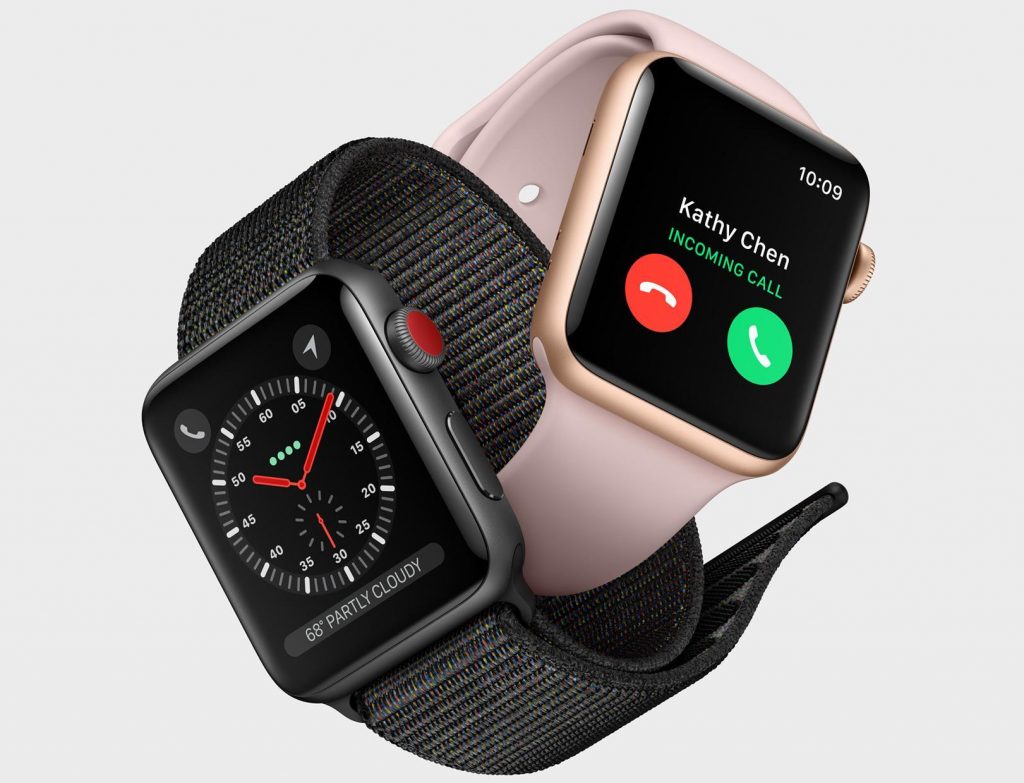
For many consumers, the decision is difficult to understand. Several of these premium devices were released only four years ago and were marketed as long term investments within Apple’s ecosystem.
Industry observers argue that once support ends, users face increasing risks. Devices that no longer receive software updates can become more vulnerable to security issues and are effectively locked out of new services and applications.
The problem extends beyond smartwatches. Apple also confirmed that watchOS 27 will require an iPhone 11 or later, or an iPhone SE second generation or newer running iOS 27, creating an additional upgrade burden for customers using older handsets.
At the same conference, Apple unveiled its latest Siri digital assistant powered by Google Gemini AI technology, highlighting the company’s increasing reliance on outside partners to compete in the rapidly evolving artificial intelligence market.
The move is particularly notable because Android users have had access to advanced Google AI capabilities for more than a year, raising questions about whether Apple is now playing catch up in a market it once dominated.
Adding to consumer frustration, Apple Intelligence features will only be available on a limited number of newer devices. Sources indicate that only the latest generation iPhones with sufficient memory and processing power will be capable of running the company’s most advanced AI services.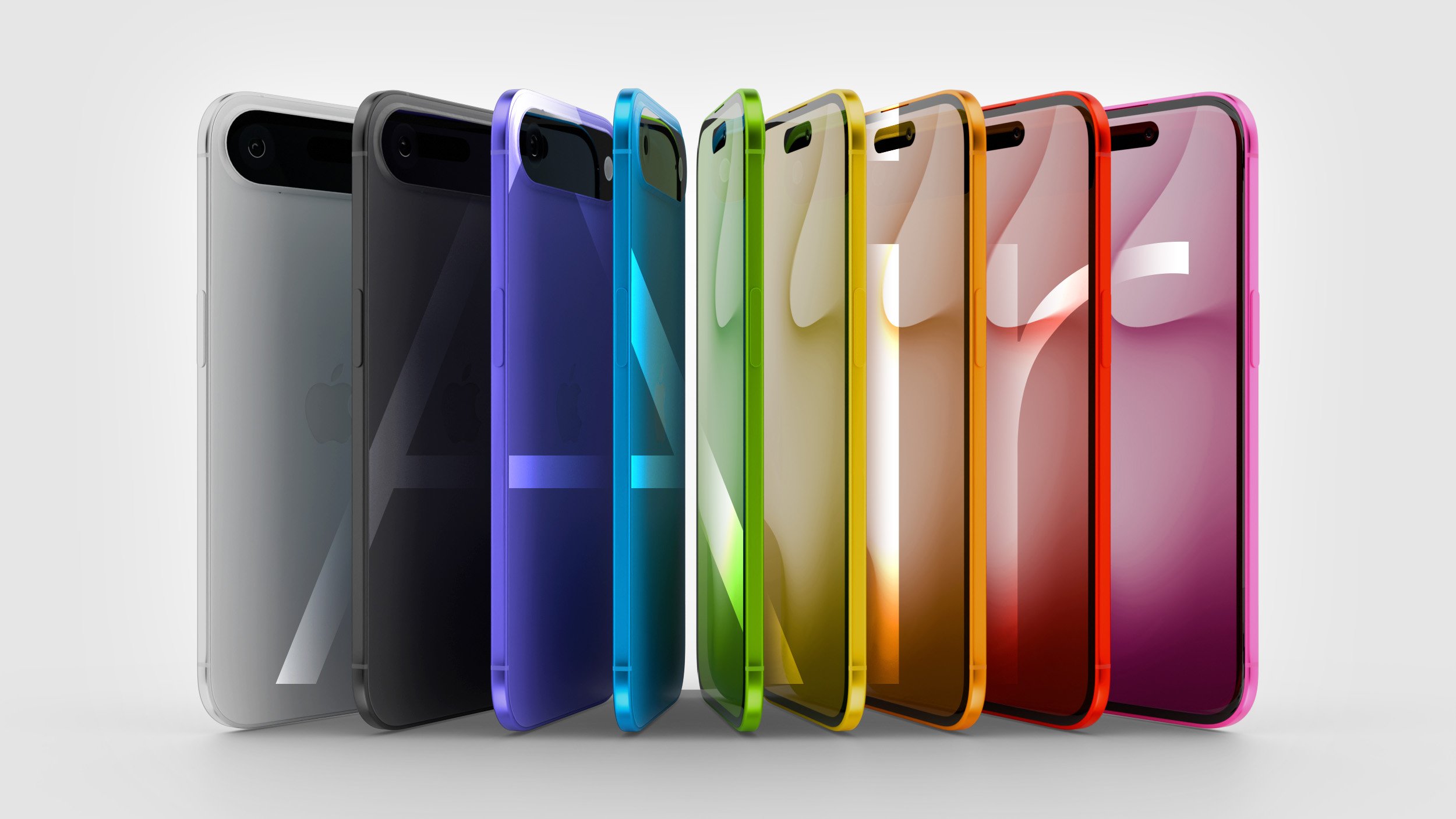
As a result, millions of existing iPhone owners may find themselves excluded from the next wave of AI functionality despite owning devices that are only a few years old.
Analysts claim the strategy reflects Apple’s hardware driven business model, where major software advances are increasingly being used to encourage repeat purchases.
The challenge for Apple is that AI capabilities require significantly more memory than previous software generations. As demand for memory chips surges across global data centres, manufacturers are facing supply constraints and rising costs.
During Apple’s most recent earnings call, Chief Executive Tim Cook acknowledged that memory pricing pressures are becoming a growing concern for the company.
Cook warned that memory costs are expected to have an increasing impact on Apple’s business in coming quarters, as the company works to secure enough components to support future AI products.
According to analysts at Counterpoint Research, global smartphone sales are expected to fall by almost 14 per cent this year, reaching their lowest level in more than a decade, partly due to supply chain pressures linked to AI infrastructure demand.
While Apple has the financial resources to secure much of the memory it requires, expanding access to AI features across its product range could prove costly.
For consumers, the message is becoming increasingly clear. To access Apple’s next generation software, AI capabilities and ecosystem features, many will be required to buy newer hardware, even when their existing devices remain fully functional.
Critics argue that the strategy risks alienating loyal customers who are being asked to replace expensive products years before they expected to, while competitors in the Android market continue to offer AI functionality across a broader range of devices.
As Apple pushes deeper into the AI era, the company may find itself facing an uncomfortable question from consumers, whether innovation is being driven by technology, or by the need to sell more hardware.