Amazon Wins More Time To Build Satellite Internet Network
 April Ossington
10 Jun 2026
April Ossington
10 Jun 2026

Amazon has secured additional time from US regulators to continue rolling out its Project Kuiper satellite broadband network, easing pressure on the company as it works to compete with SpaceX’s Starlink service.
The US Federal Communications Commission (FCC) has approved Amazon’s request to extend an important deployment deadline after the company argued that launch delays and technical changes had slowed progress. Under its original license, Amazon was required to have more than 1,600 low-Earth orbit satellites in space by the end of July 2026, representing half of its planned first-generation network.
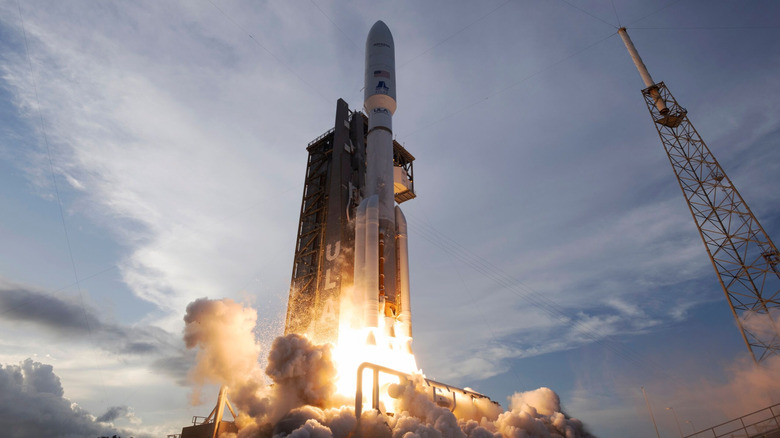
Amazon told regulators that a series of setbacks affecting launch providers had disrupted its schedule. The company pointed to delays involving major rocket programs including Ariane 6, United Launch Alliance’s Vulcan Centaur and Blue Origin’s New Glenn rocket, all of which were expected to play key roles in deploying the constellation.
The FCC said granting the extension would benefit consumers by supporting competition in the satellite broadband market, which is currently dominated by SpaceX. Regulators argued that enforcing the original deadline could limit Amazon’s ability to establish a viable alternative internet service.
SpaceX opposed the request, claiming Amazon had made limited progress despite securing approval for the project several years ago. The company argued that granting additional time would provide preferential treatment to a competitor.
While Amazon has received relief on its interim target, regulators have maintained the project’s final deadline. The company must still deploy its full planned constellation of 3,232 satellites by July 2029.
The FCC’s decision comes with conditions. After 31 July 2026, Amazon will lose priority status for future launches and will need to demonstrate that its satellites will not interfere with other operators, including Starlink.
Despite the challenges, Amazon says it remains on track to begin offering commercial satellite internet services later this year as it continues to expand its network in orbit.