3D Smartphone Cameras Tipped To Change App Industry
 Daniel Croft
11 Apr 2022
Daniel Croft
11 Apr 2022

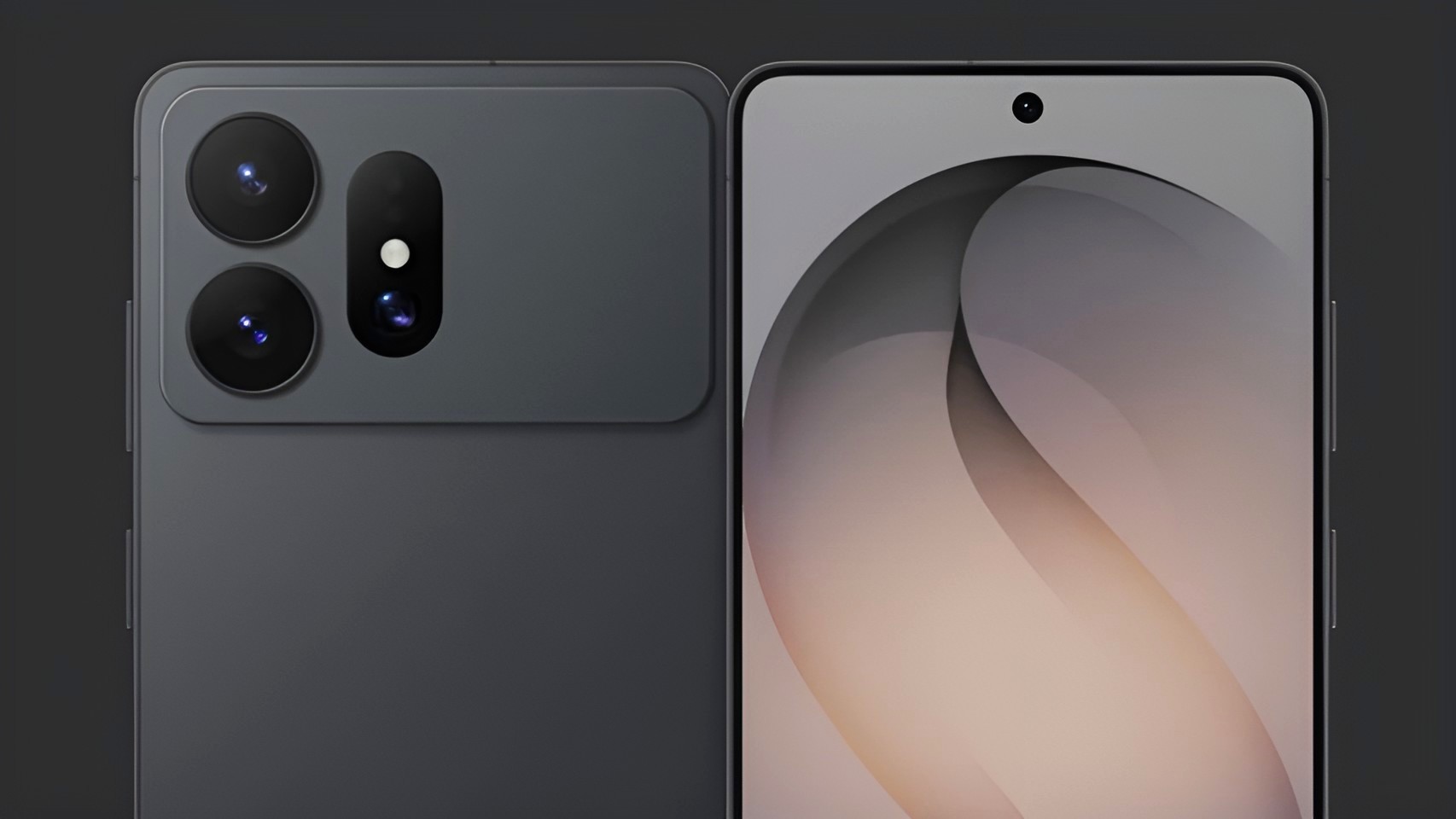
Smartphone cameras may see dramatic upgrades in the near future, after Stanford University researchers discovered a way in allowing 2D sensors, such as the ones found on a smartphone camera, to see light in 3D. The ability to take 3D images and detect a 3D environment has the potential to revolutionize not only the photography industry, but the capabilities of other apps as well.
Typically 3D photography is not easily accessible, as it requires expensive investment in lidar (light detection and ranging) technology, which sends a laser and measures distance based on the light that results from it. The new technology is much simpler, and makes the technology much more available, according to Okan Atalar, doctoral candidate in electrical engineering at Stanford University.

The iPhone 13 Pro and Pro Max already make use of typical LIDAR technology for 3D photographs.
Credit: Tom’s Guide
“Our approach converts standard and highly advanced 2D sensors into 3D sensors as opposed to building them from the ground up.”
While adding a light source and modulator is a simple way of converting a 2D sensor into a 3D one, the power requirements are far too great for smartphone technology.
Instead, the new technology makes use of “acoustic resonance”, which is much easier and cheaper to implement, and may be the next step in developing low-cost, low energy lidar, according to associate professor of electrical engineering and senior author of the project Amin Arabian.
While photography will be directly improved by the easy access to 3D cameras, fitness and other industries may be able to capitalize on the improvements. A fitness app for example may be able to detect movements and then provide feedback based on someone’s workout. It also has the potential to make face scanning more accurate and efficient.