Retailers Eye Freight Relief As ASX Surges On Oil Slump
 Joe Gallop
15 Jun 2026
Joe Gallop
15 Jun 2026

Australian retail and technology stocks could be back in focus after the local sharemarket surged on news that the US and Iran had struck an interim peace deal to reopen the Strait of Hormuz, sending oil prices sharply lower and easing inflation fears.
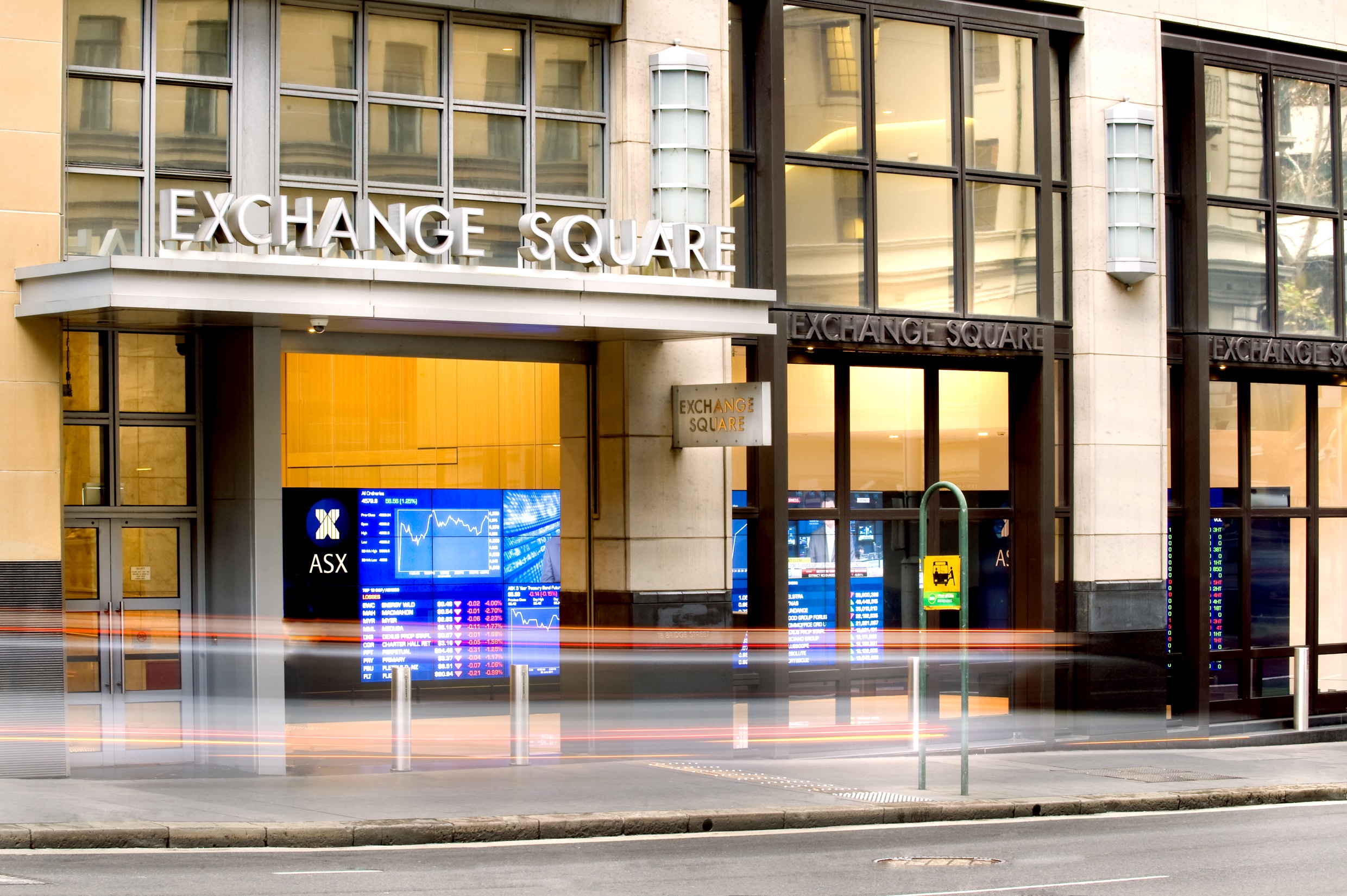
The S&P/ASX 200 Index closed up 1.3%, or 110 points, at 8914 points on Monday, its highest close since mid-April, as investors moved back into risk assets. Brent crude fell 4.3% towards $US83.59 a barrel after months of disruption to shipping through one of the world’s most important oil routes.
The peace agreement, expected to be signed later this week, could unwind part of the geopolitical premium that has been priced into crude since the conflict began in late February.
For retailers such as JB Hi-Fi, Harvey Norman, Kogan and Wesfarmers-owned Officeworks, the impact is indirect but important.
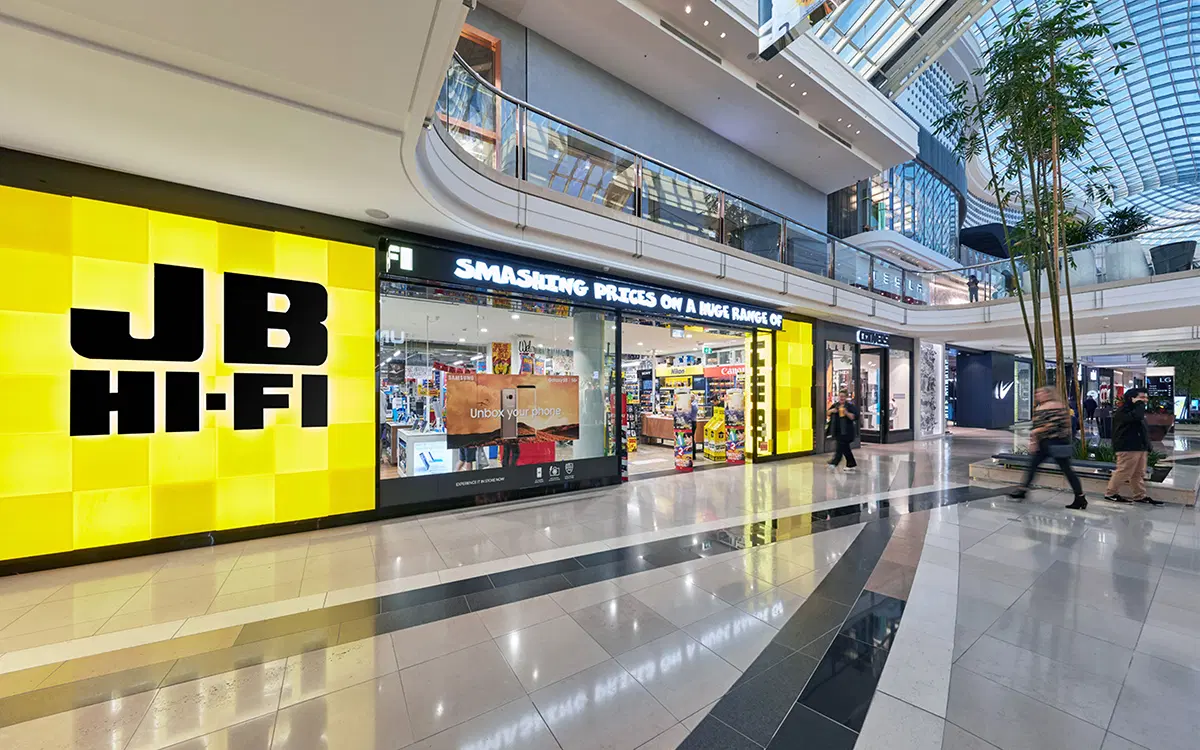
Lower oil prices can flow through to reduced freight, delivery, plastics and packaging costs, while cheaper fuel can also ease pressure on household budgets.
The AFR reported that energy stocks were the big losers from the oil price fall, with Santos down 8.1%, Viva Energy off 5.8% and Woodside falling 5.7%.
The move also triggered a rotation out of defensive stocks.
Coles fell 2.1% to $23.51 after rallying strongly over the previous fortnight as investors had sought safety during the Middle East conflict.
Retail-linked stocks were still active elsewhere.
Sigma Healthcare, the owner of Chemist Warehouse, rose 6.4% to $2.81 after walking away from a possible takeover of UK pharmacy chain Boots.
Footwear retailer Accent Group jumped 15.4% to 75¢ after urging shareholders to ignore Frasers Group’s 65¢ on-market takeover proposal, arguing the offer did not represent a premium.
Analysts said the US-Iran deal had reduced the immediate risk of oil prices surging above $US150 a barrel, although they warned tensions in the Gulf had not disappeared.