Samsung Expands Galaxy Watch Heart Health Features With New Alerts And Family Sharing
 April Ossington
10 Sep 2026
April Ossington
10 Sep 2026
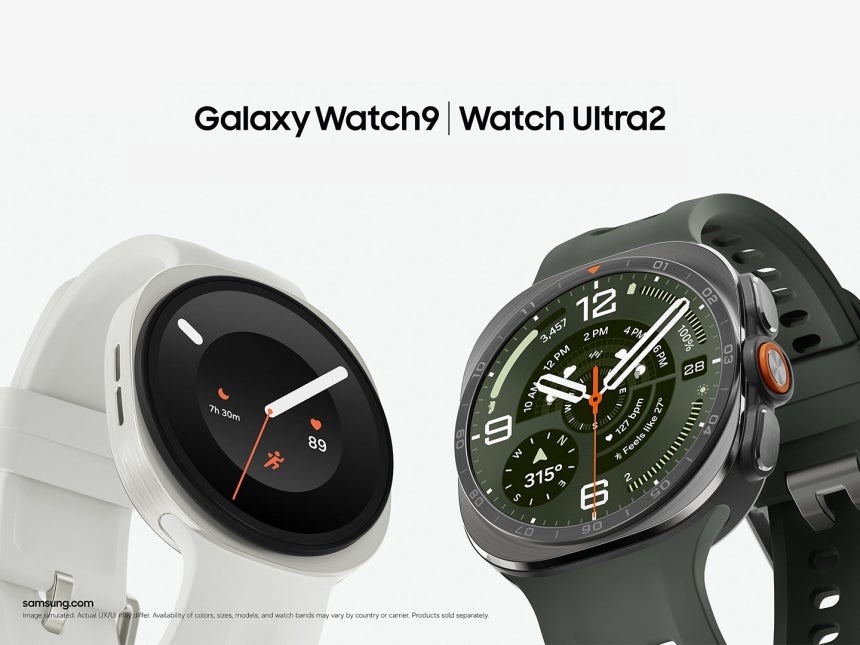
Samsung is expanding the health features available across its Galaxy Watch ecosystem, adding broader heart-health monitoring, personalised alerts and new family data-sharing tools through Samsung Health.
The latest Galaxy Watch Ultra 2 and Galaxy Watch 9 include a Heart Health Score that combines several health measurements to provide more individualised guidance. Samsung says the system can identify patterns linked to cardiovascular risk and suggest lifestyle changes based on the readings it detects.
For example, users showing elevated vascular-stress measurements may receive recommendations to reduce sodium intake or increase consumption of whole grains and fresh foods.
Samsung is also introducing a Vital Signs feature that monitors five measurements during sleep, including heart rate, heart-rate variability, respiratory rate, skin temperature and blood oxygen saturation.
The system compares those readings against the user’s normal baseline and can issue an alert when results move significantly outside the expected range.
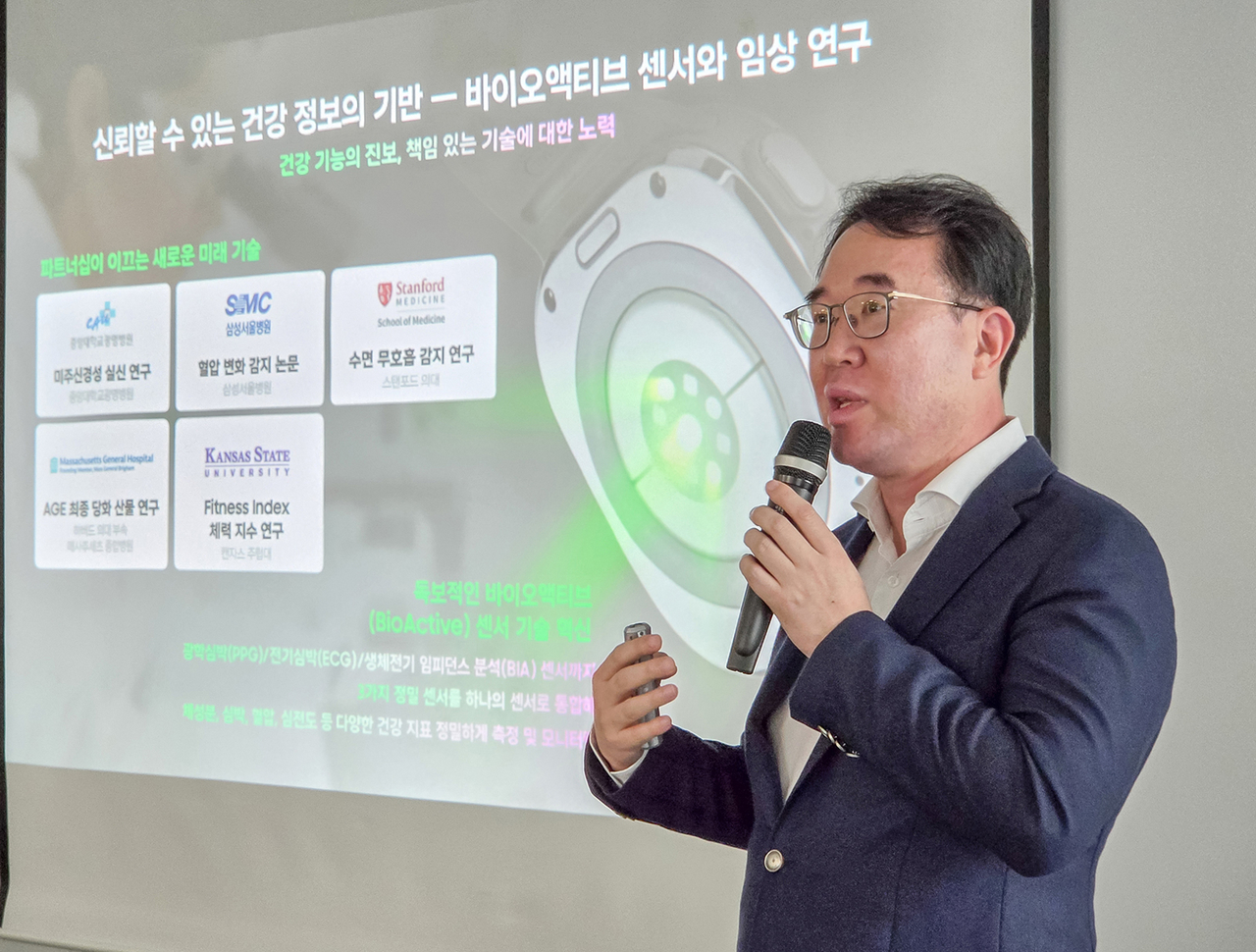
Samsung Electronics Vice President and head of the Digital Health and Health R&D group Choi Jong-min
Samsung says some Galaxy Watch alerts have already prompted users to seek medical attention. The company cited cases in Jordan and Brazil where irregular heart-rhythm or ECG notifications led users to visit healthcare providers and subsequently receive treatment.
Another addition is Connected Care, which allows users to share selected health information with family members after linking Samsung accounts and providing consent.
The shared information can include blood pressure, heart rate, sleep, exercise, body composition, blood glucose, medication data and other vital signs.
Samsung Health can also pull information from compatible connected health devices, including cuff-based blood-pressure monitors.
The company has been steadily expanding the health capabilities of Galaxy Watch devices for more than a decade. Samsung first introduced optical heart-rate sensing to its mobile products in 2014 and later combined optical heart-rate, ECG and bioelectrical impedance sensing into the BioActive Sensor used in the Galaxy Watch 4.
Some of Samsung’s newer health features rely more heavily on software algorithms rather than new hardware, which means they could also be made available to older models. Samsung indicated that devices including the Galaxy Watch 8 may receive some of the newer capabilities.
The company is also continuing research into non-invasive glucose monitoring, although it has not announced a launch timetable.
Samsung is separately exploring genomic analysis and has invested in US DNA-sequencing company Element Bioscience, but there is currently no direct integration between that technology and Samsung Health.