Samsung And Google Step Up AI Glasses Race Against Meta And Apple
 April Ossington
20 May 2026
April Ossington
20 May 2026
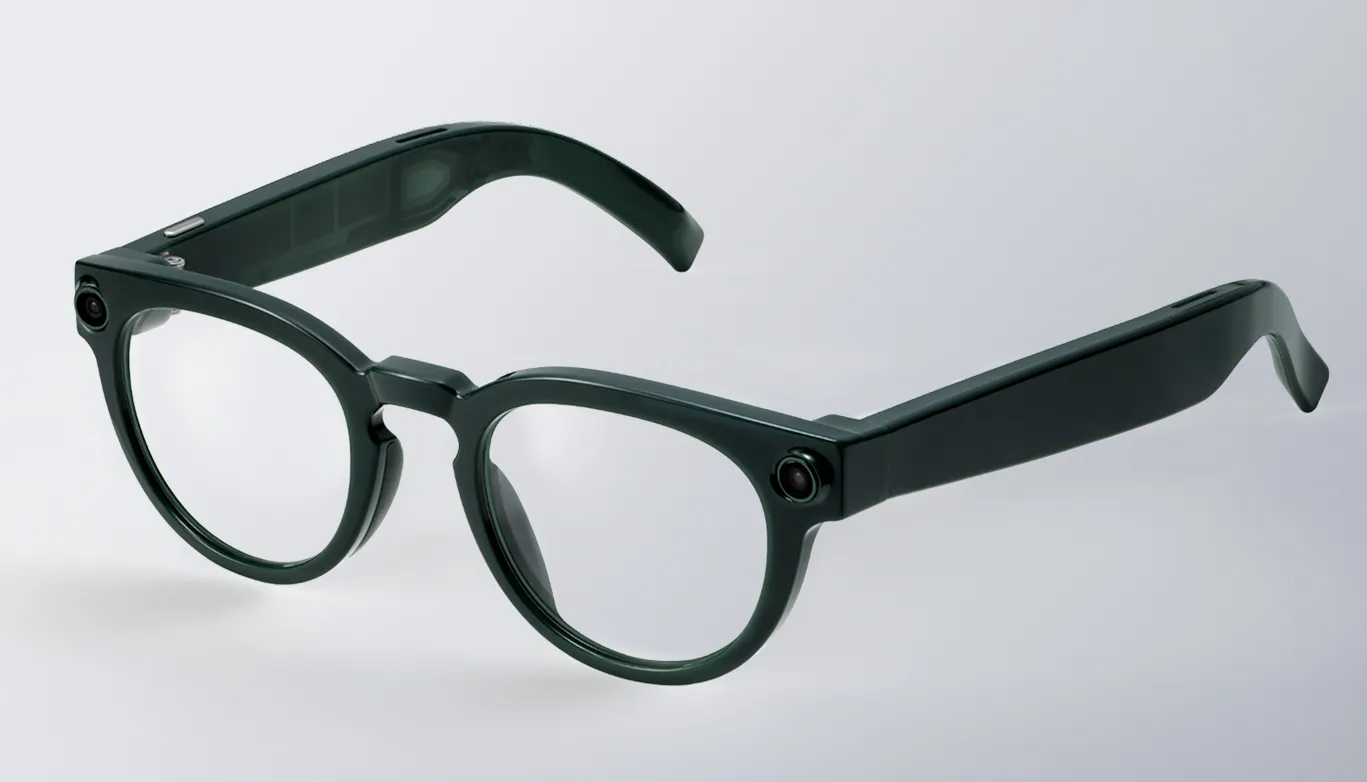
Samsung and Google have revealed their first AI-powered smart glasses designs as the two technology giants move more aggressively into a wearable category currently dominated by Meta.
Developed alongside eyewear brands Warby Parker and Gentle Monster, the upcoming glasses are expected to launch later this year and will rely heavily on Google’s Gemini AI platform for voice-driven interactions and everyday assistance.
The first generation of devices will focus primarily on audio and camera-based functionality rather than full augmented reality displays. Users will be able to access directions, make calls, control music playback, manage calendar events and use real-time translation features directly through voice commands.
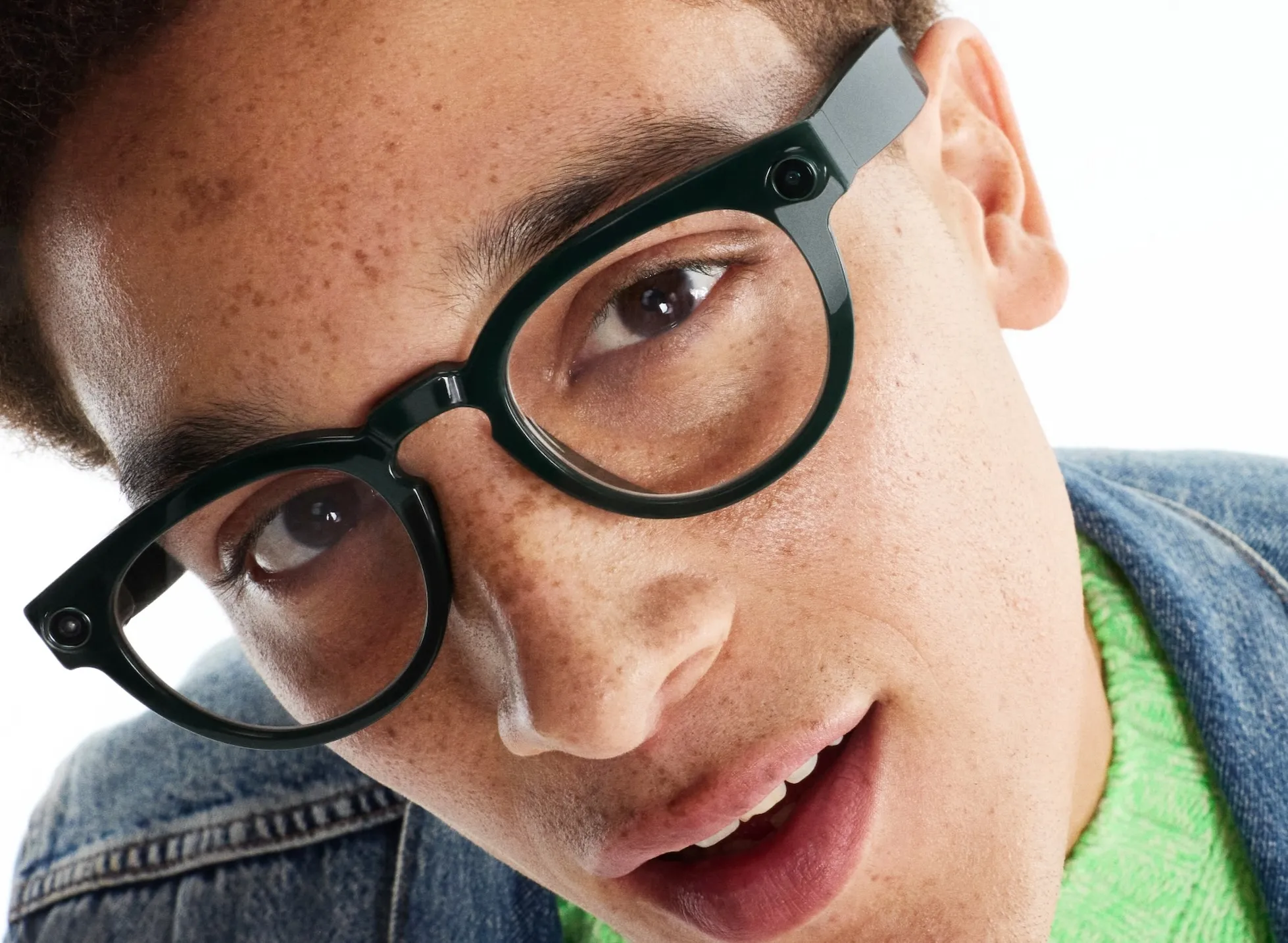
Warby-Parker’s smart glasses, developed with Google and Samsung
Integrated cameras will also allow Gemini to analyse objects and surroundings in real time, enabling users to ask questions about what they are viewing. The glasses can additionally capture photos and video either through voice prompts or physical controls, with an LED indicator lighting up whenever recording is active.
Google executive Shahram Izadi said privacy protections were being designed into the products from the outset, although further details about safeguards are expected to be shared closer to launch.
More advanced versions featuring built-in displays are reportedly planned for 2027 as Samsung and Google expand their Android XR ecosystem beyond smartphones and headsets.
Samsung executive vice-president Jay Kim said the company sees fully enclosed XR headsets and lightweight smart glasses serving very different purposes. Headsets are aimed more at entertainment and productivity in fixed environments, while glasses are intended for mobile everyday use.
Google and Samsung believe several categories of AI eyewear will eventually emerge, ranging from audio-only devices through to models featuring cameras and augmented reality displays.
The launch places both companies into more direct competition with Meta, whose Ray-Ban AI glasses have become one of the most commercially successful smart wearable products to date. Meta currently offers multiple models through its partnership with EssilorLuxottica, with prices ranging from roughly A$460 for audio-focused versions up to around A$1,225 for models featuring integrated displays.
Meta reportedly sold more than seven million Ray-Ban and Oakley AI glasses during 2025, giving the company a substantial lead in the category.
Google is also working separately with Xreal on a more advanced standalone augmented reality device known internally as Project Aura. Unlike many earlier smart glasses systems, the headset is designed to operate independently without relying on a connected smartphone.
An updated Project Aura prototype currently being demonstrated at Google I/O includes biometric fingerprint authentication integrated into its battery module.
Apple is also expected to enter the smart glasses market in 2027, with previous reports suggesting its first models will adopt a similar audio-focused approach before moving into more advanced augmented reality hardware.