Patrick Terminals Welcomes Calls To Curb Union Powers
 Nathan Jolly
11 Jan 2023
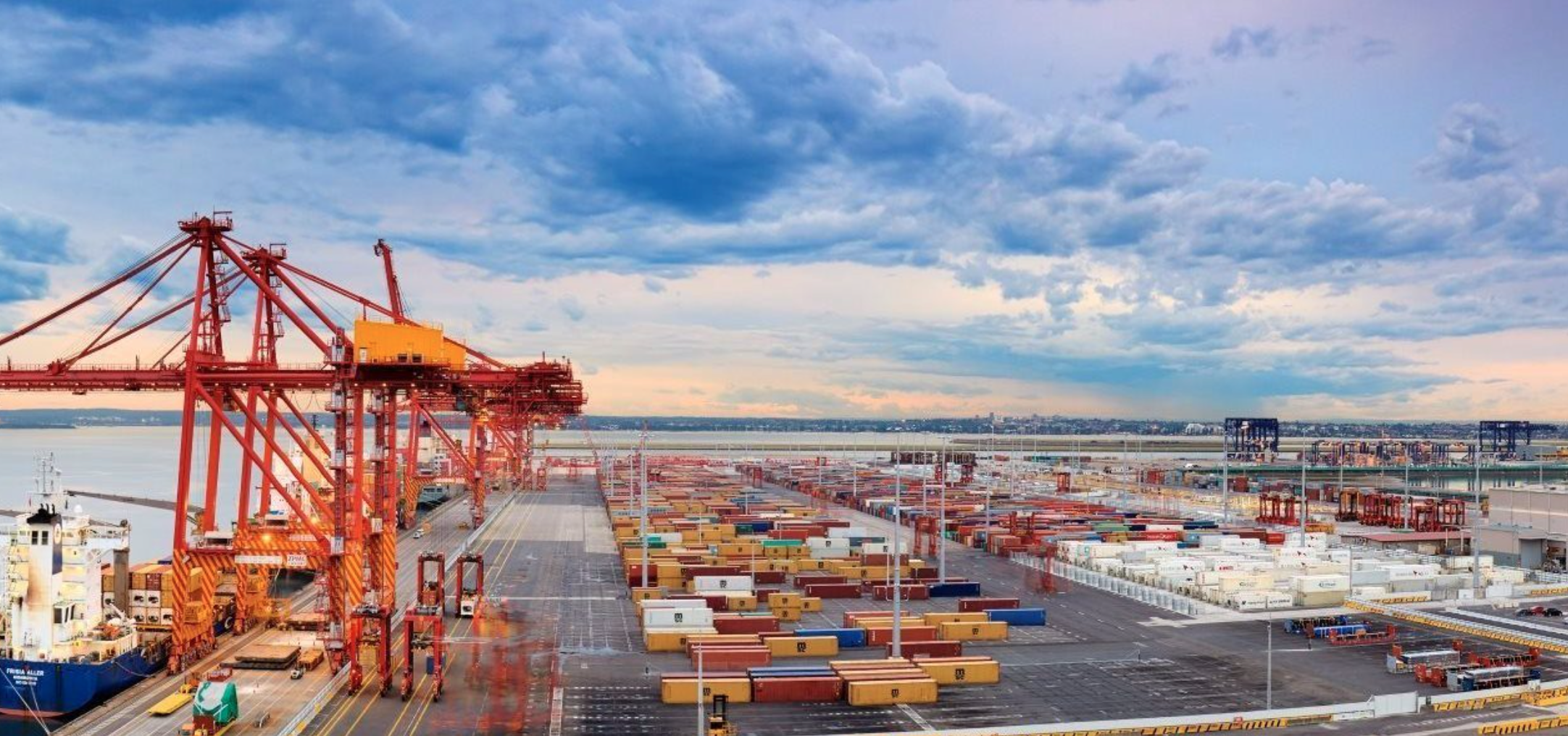
Major stevedore Patrick Terminals agrees with recommendations made by the Productivity Commission that it needs to be easier to stop unions from excess striking at the ports.
The report, ‘Lifting productivity at Australia’s container ports: between water, wharf and warehouse’, argues that workplace strikes are lowering productivity at ports.
It notes the Fair Work Act was amended to limit intractable bargaining, but argues more effective solutions are needed to reduce industrial action.
It also calls to stop “excessive” union demands, such as restrictions on merit-based hiring, casuals, backfill staff and automation.
“The final report makes a range of important workplace recommendations, the majority of which are unaffected by recent changes to the Fair Work Act and remain at the core of securing the long-term productivity of Australia’s maritime logistics system,” Patrick CEO Michael Jovicic said in a statement.
“Patrick Terminals looks forward to the government’s detailed response to all aspects of the final report, including the recommended improvements to workplace arrangements to lift waterfront productivity.”

The Maritime Union of Australia’s national secretary Paddy Crumlin said in September, when the draft was published, that the report was an attack on the union, and a smokescreen for the government’s “long-term failures and neglect of Australia’s strategic and commercial interests”.
“Our maritime logistics system is hampered by long-term failures to invest in transport infrastructure beyond our seaports and by international shipping cartels’ rampant price gouging and timetable manipulation,” Crumlin said.
“Businesses and consumers are paying twice for the failures of the former Liberal government; through spiralling freight prices and massive delays caused by infrastructure congestion that has nothing to do with stevedoring workers at our ports.
“The impact of waterfront workers demanding fair pay, safety at work and job security is inconsequential compared to international shipping price rises of up to 1,000 per cent and almost a decade of underinvestment in road and rail infrastructure connecting our seaports with Australian domestic supply chains.
“They were tasked by the former Morrison government with attacking port workers and blaming them for the supply chain crisis brought about amidst a perfect storm of a global pandemic and the Liberal government’s years-long neglect and mismanagement of Australian seaports.”