Kodak Faces Bankruptcy Risk As Debt Mounts
 Nigel Bowen
13 Aug 2025
Nigel Bowen
13 Aug 2025
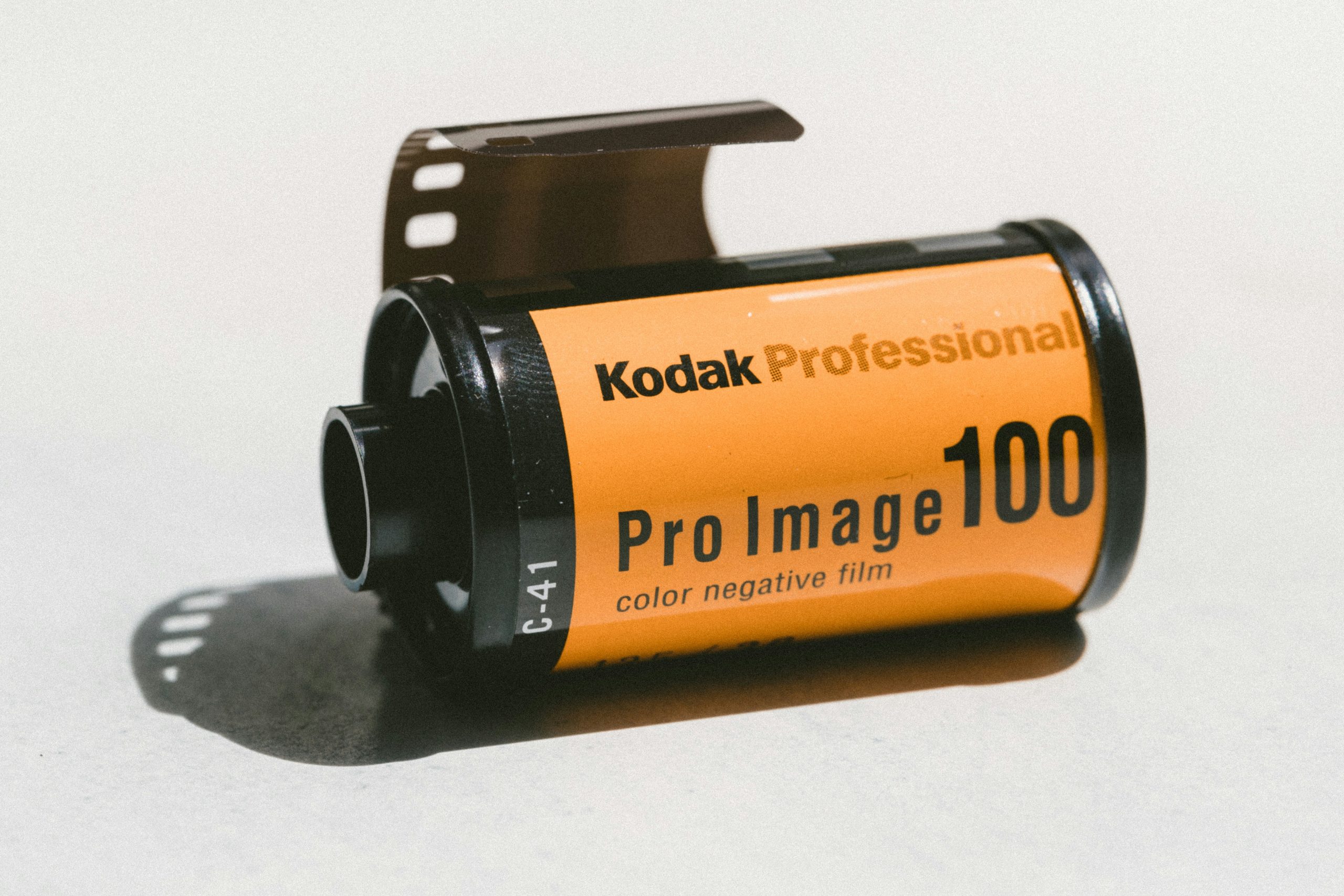
Earlier this week, in an earnings report, the iconic photography business Eastman Kodak admitted it doesn’t have the “committed financing or available liquidity” to pay US$500 million (A$770 million) in upcoming debt obligations.
As Kodak itself pointed out in an SEC filing, this raises a “substantial doubt” about the 133-year-old company’s “ability to continue as a going concern”.
This revelation saw shares plunge 25%, but Kodak staff still seem to be hoping for the best. A spokesperson told the New York Post, “Kodak is confident it will be able to pay off a significant portion of its term loan well before it becomes due.”
Kodak CEO Jim Continenza also released a cautiously upbeat statement. He pointed out, “In the second quarter, Kodak continued to make progress against our long-term plan despite the challenges of an uncertain business environment.”
Founded in 1892 by George Eastman, Kodak revolutionised photography with roll film and the affordable Brownie camera, becoming a household name in the process.

The next ‘Kodak moment’ may be bankruptcy
By the 1970s, it dominated the US film market with an estimated 90% market share. It also controlled about 85% of US camera sales. In 1975, Kodak engineers created the first hand-held digital camera. But management, wary of reducing film sales, shelved the idea.
Famously, rivals such as Canon and Nikon embraced the new technology, and Kodak’s market lead began to erode. The company filed for bankruptcy in 2012 after many years of decline. Since then, it has restructured and diversified into commercial printing, industrial imaging, and even pharmaceutical ingredients. However, none of these pivots have resulted in a sustainable business model.
Kodak is currently exploring cost cuts, including terminating contributions to the staff pension plan, to help pay down or refinance debt.
Kodak’s inability to profit from the technology it invented has become a business-school cliché. Nonetheless, it’s somehow soldiered on, in part due to public affection for the Kodak brand and the analog age of photography.
But even nostalgia may not be enough to keep Kodak alive much longer.