Interest Rates Tipped To Slow Xmas Retail Spending
 Nathan Jolly
14 Sep 2022
Nathan Jolly
14 Sep 2022

A number of retail analysts are warning that the current record retail spending is about to plummet, with a slowdown tipped in the run-up to the holiday season.
Australians spent a record $34.7 billion at stores in July, marking a 16.5 per cent increase since January.
However, Deloitte’s quarterly retail report, ‘Retail’s Turning Point’, issued last week, warns that these sales figures are artificially bolstered by the current inflation level.
Likewise, Australian Retailers Association CEO Paul Zahra warns that, when touting a 17.9 per cent year-on-year rise in retail, we are actually comparing these July figures to twelve months earlier, when a lot of the country was under Delta lockdowns.
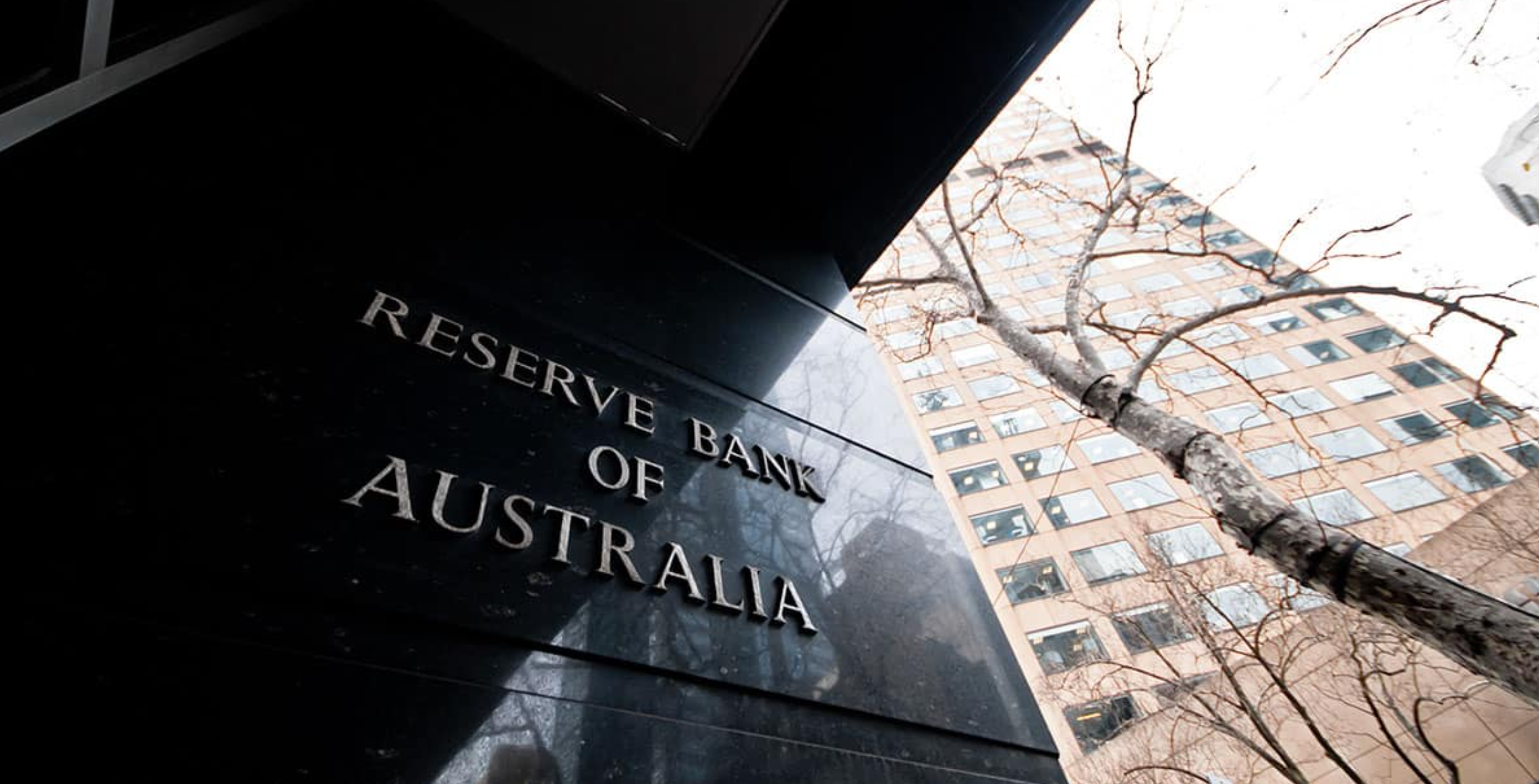
Last week’s interest rate rise of 50 base points, the fifth double hike in a row, is likely to impact the Christmas retail season.
“Looking forward, we are becoming increasingly cautious on the consumer outlook, with savings rates falling, costs up and the full impact of rate hikes yet to hit household cash flow,” Jarden analyst Ben Gilbert said.
UBS analysts are similarly pessimistic.
“Looking forward, rising cost of living is expected to weigh on sales growth from late CY22E, supply chain costs have started to fall, but recent rises will annualise in FY23E, and cost pressures across labour and rents are likely to remain challenges,” UBS analysts wrote in a note to clients last week.
Although Reverse Bank boss Philip Lowe (below) signalled rate rises would slow, Commonwealth Bank’s head of Australian economics Gareth Aird said that Aussies are yet to feel the real impact of the hikes made in July and August.

“Interest accrues from a lender’s effective rate change date, which is typically about two weeks after the RBA increases the cash rate,” he explained.
“The lags across other lenders vary, but we estimate that on average the lag is around two to three months across the major lenders.
“This means that the bulk of our borrowers have only felt the impact of one 25-basis-point hike on their cash flow, or potentially, the cumulative impact of the May 25-basis-point rate hike and June 50-basis-point rate increase.”