HP Tips ‘Uncertainty” For PC Market As Shares Take A Dive Following Interview
 David Richards
29 May 2025

HP who are in the throes of launching new notebooks in Australia has admitted that Trump tariffs are causing pain at the big PC Company and that ‘Economic uncertainty” is a problem.
This has led to the US PC maker slashing forecasts resulting in the Company’s shares falling 15% in extended trading last night.
Demand for computers is being hurt by rising economic uncertainly tied to tariffs, the impact of which was greater than the company expected when it gave its earlier forecast, Chief Executive Officer Enrique Lores said in an interview.
As a result, the company is boosting production in Vietnam, Thailand, India, Mexico and the US.
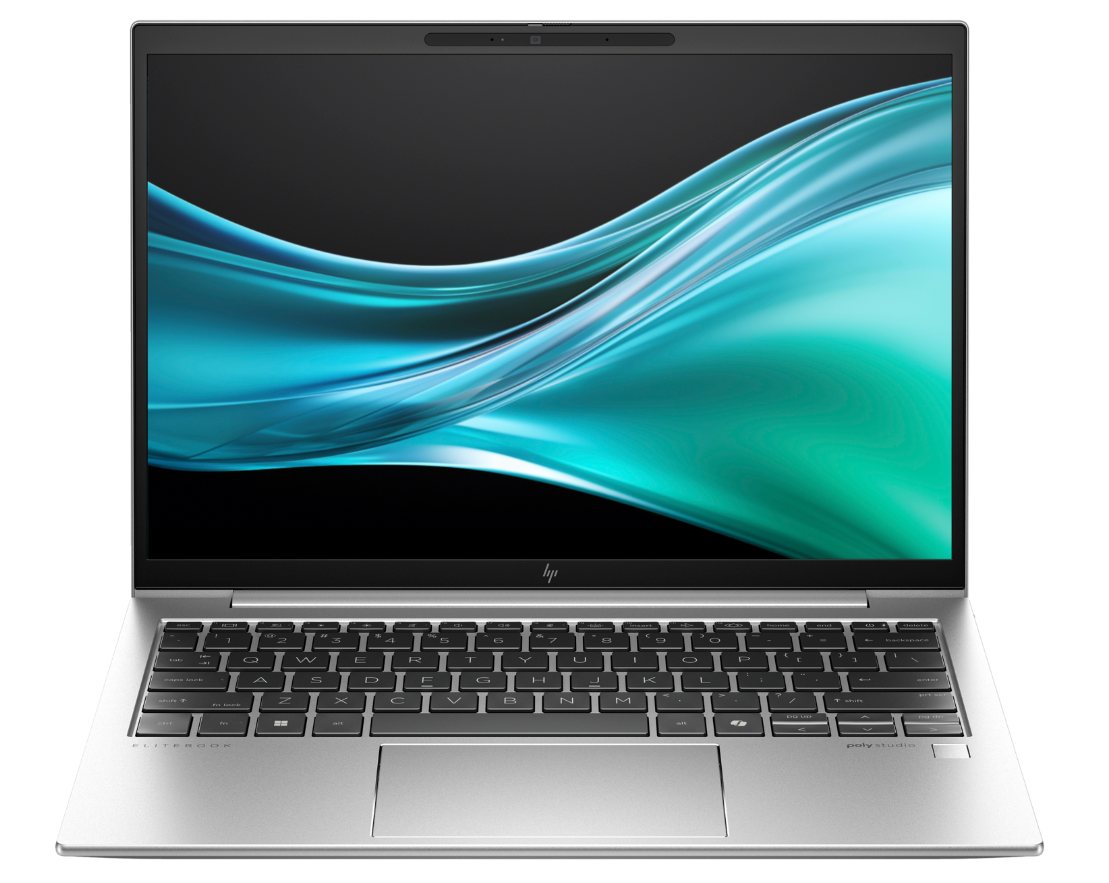
HP EliteBook 830 G8.
By the end of June, almost all products sold in the USA will be made outside of China, he said.
Going forward he predicted that the PC market will grow at a more moderate pace because of the slowing economy.
“Clearly the economic environment is very different now from what it was in February and consumer, and some business confidence has clearly changed,” Lores said. Apart from a weaker economy, industrywide price increases are hurting demand, he said. “We thought it was important to be prudent.”
The stock closed at $27.20 in New York and has declined 16% this year.
In the quarter ended April 30, revenue increased 3.3% to US$13.2 billion, slightly above the average estimate of US$13.1 billion.
Analysts claim that a recovery in the struggling PC market has started to materialize in recent quarters, but tariffs are derailing progress.
Shipments of PCs ticked up 4.9% in the March quarter, according to research group IDC.
They claim that some of that may be due to customers making purchases ahead of Trump’s tariffs announced on April 2.
Revenue in HP’s personal system business, which includes PCs, increased 7% to $9 billion.
Analysts, on average, estimated $8.8 billion.
Lores said HP saw a “fairly small” impact from customers moving up purchases.
“We expect to fully mitigate the increased trade-related costs” by the fourth quarter, he said.