FCC To Investigate Apple Over Beeper Mini Shutdown
 Ashley Riordan
13 Feb 2024
Ashley Riordan
13 Feb 2024

The Federal Communications Commission (FCC) has been called on to investigate Apple’s response to Beeper Mini, an app which briefly brought iMessage to Android.
Sources are saying the FCC should look into whether Apple’s move “complies with the FCC’s Part 14 rules” about accommodating users with disabilities.
Launched last year, Beeper Mini allowed Android users to gain access to iMessage features, including blue message bubbles, and the ability to send high quality photos and videos.
However, Apple quickly blocked users and continued shutting down attempts to make the app work, which led to developers giving up.
The FCC’s Part 14 rules address requirements “advanced communications services,” such as iMessage, must follow to make sure they are accessible.
By stopping Beeper Mini, it was argued that Apple could violate the rule which says providers “shall not install network features, functions, or capabilities that impede accessibility or usability.”
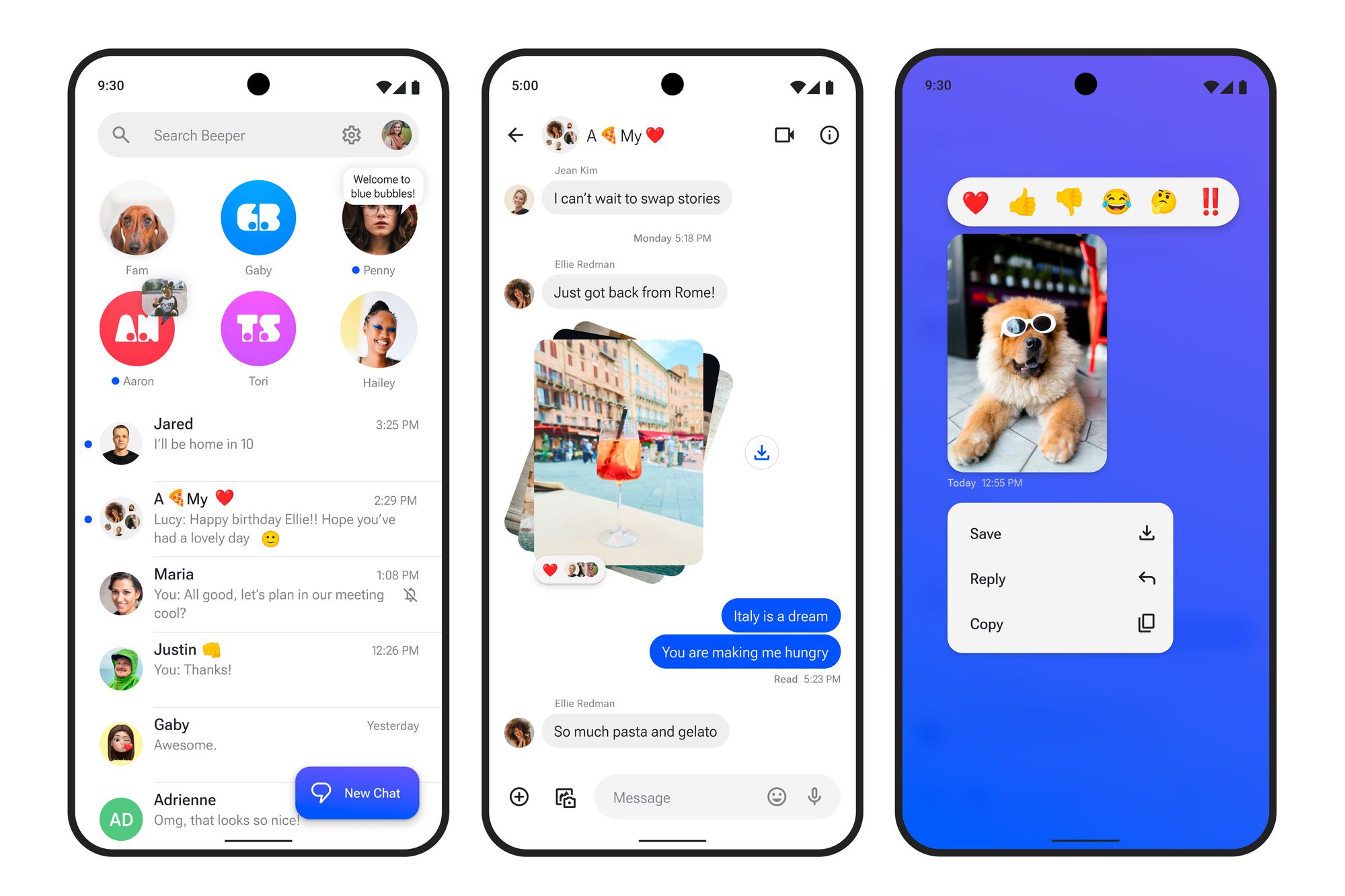
It was claimed the low contrast on the green bubbles “makes it difficult for people with low vision or difficulty with seeing from picking up those messages.”
A source said, “Apple made changes to iMessage to disable the functionality of Beeper Mini. The FCC should launch an investigation to look at whether Apple’s decision to degrade the Beeper Mini functionality that was being provided, which again, encouraged accessibility and usability, was a step that violated the FCC’s rules.”
Apple’s impact on the augmented and virtual reality (AR / VR) spaces were mentioned, and the company’s walled garden around its products and services was criticised.
“I think there are potentially negative consequences if Apple perpetuates a world in which it treats its own proprietary technologies one way and degrades the performance of competitive ones,” the source concluded.