‘Fake’ AI Indigenous Art Rampant
 Chris Griffith
19 Jan 2024
Chris Griffith
19 Jan 2024

If the Federal Government wants to put “guard rails” around the use of AI, it better start building them quickly around indigenous art.
A cursory look at Aboriginal artworks available on global platforms shows the sale of questionably authentic Aboriginal art, sometimes for sizeable sums, is rampant.
Cam Wilson of Crikey.com exposed that AI was being used to create fake indigenous art in this story
The volume of this fake art is enormous. On Adobe’s stock site, one purported contributor has 82 pages of digital art including works that look like indigenous designs for sale.
Each page has around 100 works, so there is roughly over 8000 works for sale by one contributor.
There is another problem at play. It seems that some fake artwork available from Adobe Stock may have been copied from small AI art sites that sell a work for around $2.
Yet the rights to use each of these works sells for around $88 each as Adobe Stock. Does Adobe have a right to sell them at all?
Compare this work (and its cost) on Hello Vector with this work available on Adobe Stock. Just who copied whom?
There are no details about the contributor “Rashmisingh” on Adobe’s site, although images of Mahatma Gandhi amid maps of India suggest (s)he is not an Australian indigenous artist.
The Adobe Stock site returns 358,852 results for “aboriginal art” in all. There were only 812,000 Aboriginal and Torres Strait Islander people in Australia as of 2021, so an awful lot of them must be modern day digital artists.
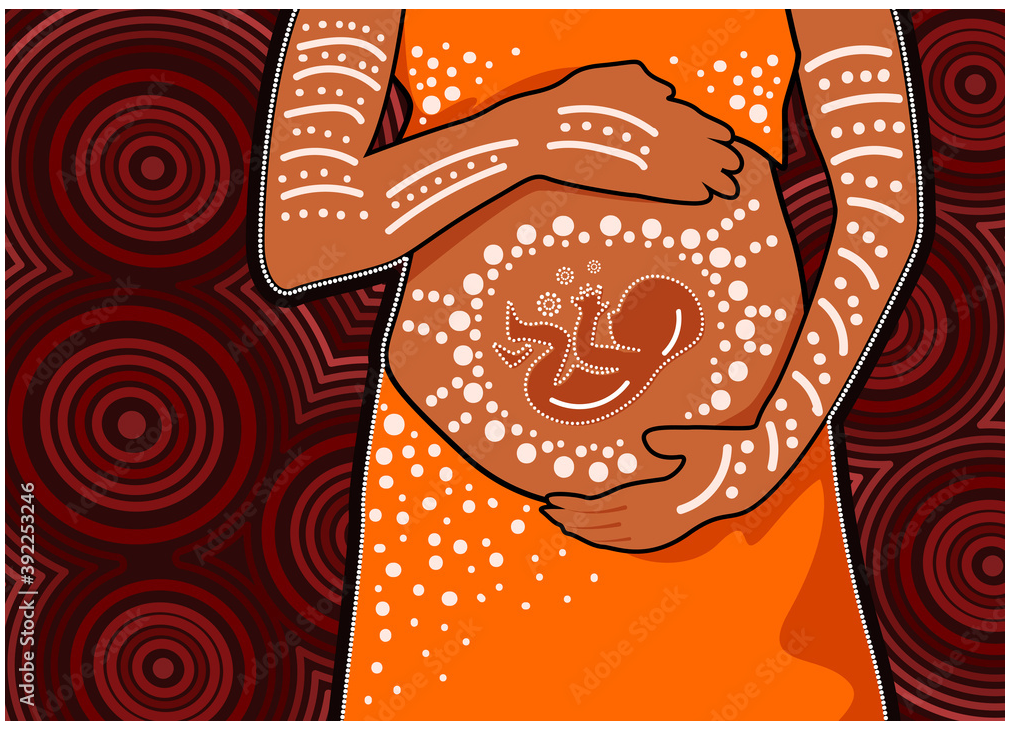

Adobe Stock image description
Our cursory look at indigenous art followed Crikey’s lengthy investigation which examined works owned by Adobe, Shutterstock, eBay and Etsy.
Indigenous art has been subject to copying and forgery for decades, with indigenous souvenirs and works imported from overseas. Originally people would paint forgeries of artworks and pass them off as original works by famous Aboriginal artists such as Albert Namatjira.
AI already has created tens of thousands of patterns mimicking the style of Aboriginal art.
In its submission to the federal government’s Safe and Responsible AI inquiry, The Arts Law Council of Australia said any governance mechanisms around AI should consider the impact and risks AI poses to First Nations creators.
Adobe told ChannelNews that it has an extensive policy governing generative AI works. Adobe Stock – a global marketplace of more than 320 million creative assets – does accept generative AI content on its marketplace. But there are specific guidelines governing submitted generate AI content, it says.
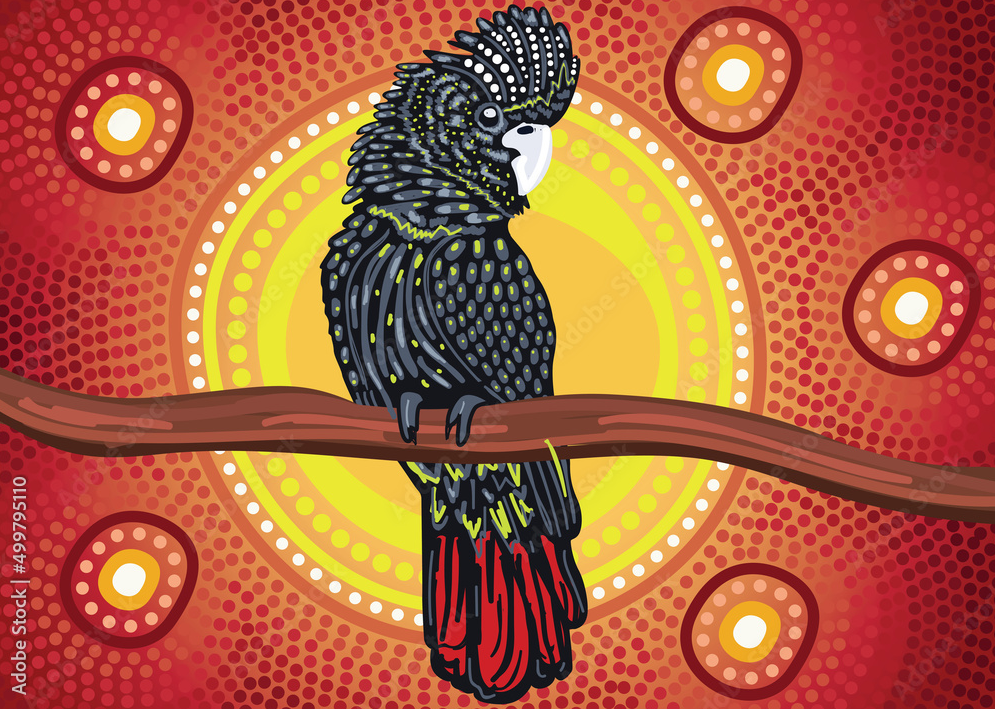
Purported Aboriginal art in the Adobe Stock market
Content must be labelled “generative AI” before submission and contributors must have the necessary right to submit generative AI images, vectors and videos for licensing.
Contributors are warned not to submit content created with prompts “that are intended to copy the look and feel of an app without permission”. They are asked never to submit content that infringes the rights of third parties, including mimicking or replicating their content.
“We’ll soon add more features to make this content even more transparent,” Adobe says in its blog post.
“Adobe cares deeply about the respect and equal treatment of everyone, regardless of gender, race, ethnicity, age, disability, sexual orientation, gender identity, cultural background, or religious beliefs. We are continually auditing, evaluating, and improving the Adobe Stock collections to serve our customers’ needs.”
One question therefore is the ability to enforce these rules.
There is also the issue of paying the indigenous community for the use of their style of art to train AI models. Here purchasers are being asked to pay $88 for each of these digital designs. Should this sort of art even be for sale?