Eufy, EZIVIZ Now Wyse Chinese Security Camera Exposed For Snooping
 David Richards
27 Feb 2024
David Richards
27 Feb 2024

Problems with Chinese security cameras are back in the news again, with revelations that a security camera sold in Australia on Amazon allowed owners of the questionable camera to see into other owners’ homes.
Wyse security camera (seen above) is the latest to be involved in a major security breach, with thousands of users initially unable to use their cameras.
Then when the Chinese Company rebooted their system, users started seeing thumbnail images and videos that were not from their own cameras.
Wyze admitted that thousands of their users were affected by the breach.
In Australia retailers such as Officeworks are selling cameras from EZIVIZ the consumer division of Hikvision whose cameras are banned in Australia and several other Countries.
Experiments recently run by the Digital Forensics Laboratory and the Digital Security Laboratory, clearly revealed that Hikvision cameras are vulnerable to hacking and that they send encrypted data to servers controlled by state-run or partly state-run Chinese companies.
When the Wyse problem was exposed Wyze blamed the incident on “a third-party caching client library” which struggled to deal with the influx of devices coming back online after the service outage.
Wyze customers were understandably disturbed over the sneak peek others may have gotten of their lives especially cameras located inside homes.
Another Chinese brand widely sold in Australia is Eufy.
Late last year, security researcher Paul Moore demonstrated that camera systems sold with the promise of no China data storage were, in fact, uploading images to the cloud in China.
Worse yet, it was possible to stream video from a Eufy camera without encryption.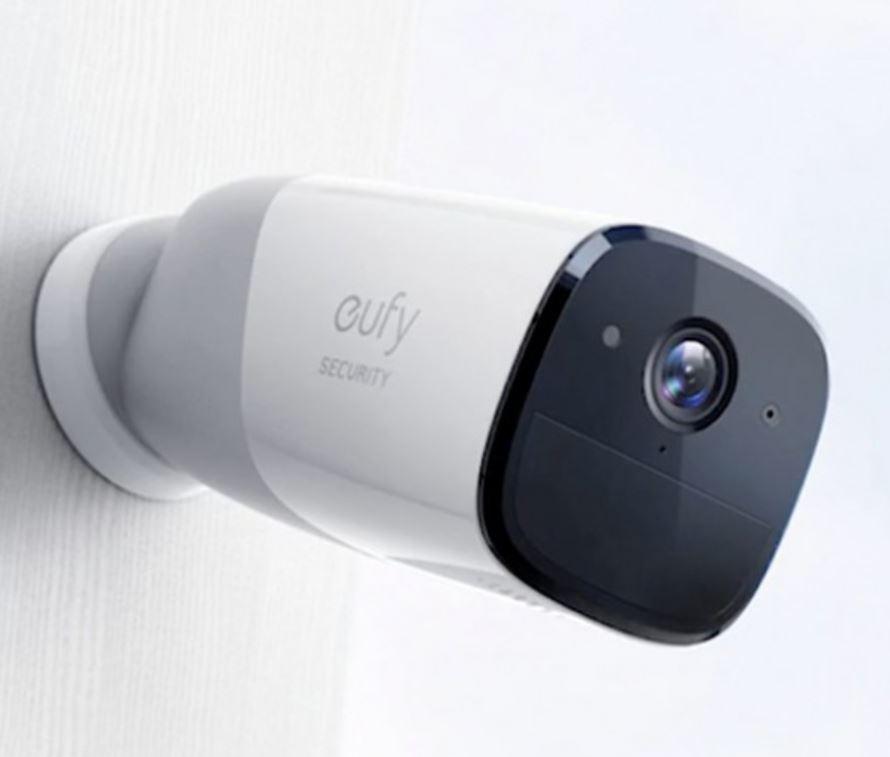
Eufy is a Chinese Company that openly lied to a US media Company when they exposed problems with their camera.
Under the threat of being exposed the owners of the Eufy camera Chinese Company Anker finally admitted its Eufy security cameras are not natively end-to-end encrypted and could be and did produce unencrypted video streams for Eufy’s web portal direct from people’s homes.
Chinese-made surveillance cameras are today in tens of thousands of Australian homes and businesses. Last year in the UK the BBC Panorama investigated security flaws involving the Company that is manufacturing security cameras for Officeworks.
They wanted to know easy is it was hack them and what does it mean for home security?
In a darkened studio inside the BBC’s Broadcasting House in London, a man sits at his laptop and enters his password.
Thousands of miles away, a hacker is watching everything he types.
Next, the BBC employee picks up his mobile phone and enters the passcode. The hacker now has that, too.
A security flaw in the surveillance camera on the ceiling – manufactured by the Chinese firm Hikvision the owner and manufacturer of the EZIVIZ cameras, meant it was vulnerable to attack.
“I own that device now – I can do whatever I want with that,” says the hacker.
“I can disable it… or I can use it to watch what’s going on” he said.
Chinese security cameras are being installed internally in homes, children’s bedrooms and used for outside surveillance.
The camera Panorama tested contains a vulnerability that was described as “a back door that Hikvision built into its own products.”
Hikvision says its devices were not deliberately programmed with this flaw.
Hikvision cameras have seen been banned by several Australian Government organisations both at a Federal and locally level.
A Reddit user claimed after they realised there were problems with the Wyze Chinese camera they had purchased: “Someone watched me and saw my naked ass for sure. Feel bad for them.”
Several Wyze customers are already airing their outrage on Reddit. One person who described herself as a “23-year-old girl” was getting ready for work during the breach, described herself as “disgusted and upset” and said she would be deleting her account. “I’m feeling so violated,” she said.