COMMENT:Why State & Federal Governments Need To Act Over CE Data Capture
 David Richards
09 Nov 2022
David Richards
09 Nov 2022

Unnecessary data capture by consumer electronics, appliance, and software Companies in particular those that force capture before a product is activated has to be stopped if Australia is to start fixing cyber security problems.
For decades Australian consumers existed without the need to constantly supply data, back in the 1980’s and 90’s marketers used direct response marketing via snail mail their primary objective was to get a 3% response with big brands and in particular retailers investing heavily in this form of marketing.
There were no issues in particular security relating to the storage of mailing databases in those early days.
Back then when a consumer purchased a TV, they took it home and switched it on, today brands are forcing consumers to supply data so that they can try and sell you another product or even worse sell your data before a product can be activated.
One option is that Australian Federal and State Governments, deliver legislation that makes it an offence to capture personal data unless agreed to by consumers.
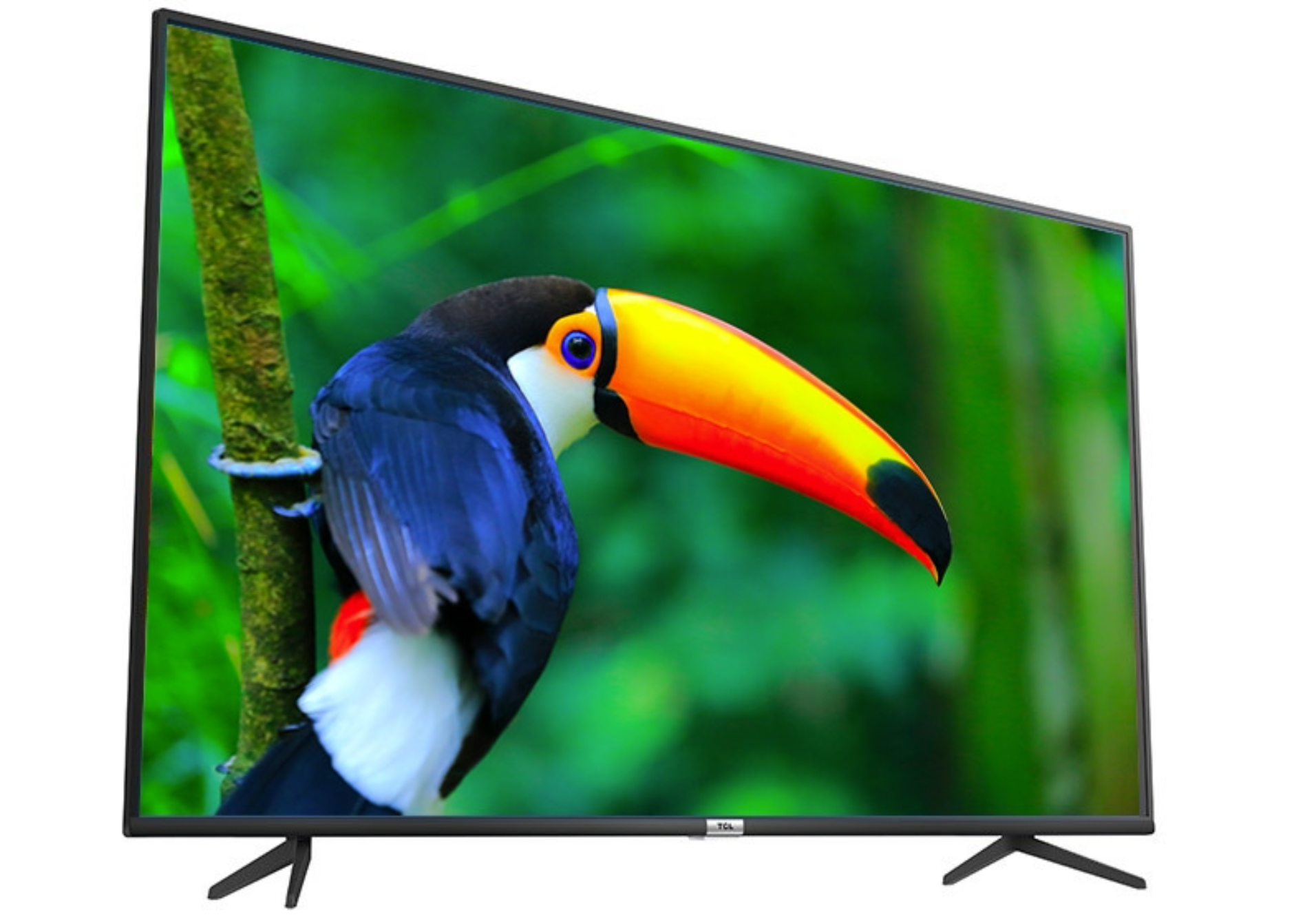
Recently we got a new TV manufactured by a Chinese Company delivered to our office, it ran the Google TV OS, but before I could get access to simple TV capabilities such as TV programs, I was forced to enter my email address, password, and other information before I could activate the TV.
Ironically when I tried to use my Google profile which I had already entered into the TV, and the TV had accepted after doing an upgrade to the Google TV OS, I got an error message claiming that the Google profile could not be used and I had to log into a Chinese Companies database, which I suspect is held in China, there was no way to bypass this data capture process.
This was not the first time that this has happens, it has also occurred with Sony Samsung and LG products.
Every consumer electronics Company is collecting data today, Hisense, Samsung, Sony LG Electronics, and network Companies which is why scams are on the increase and Companies are being hacked.
It’s also being used by consumer electronics and appliance brands to build out massive databases which they are then using to sell services directly to a consumer.
Recently Samsung announced that they were rolling a new version of Smart Things, their home automation app that allows consumers to control devices including products from competitors such as LG and Electrolux.
Brands are also implementing programs that allow them to capture data on their competitors.
Before you can activate a smart LG product on the SmartThings app you have to supply Samsung with information on yourself and when you do they get to know what product is being attached to SmartThings.
Where all this data is going should be subject to a government inquiry into Cyber Security with one option being that all data captured in Australia is kept in Australia with none of the data being syphoned off to a foreign Country.

Let’s look at some facts.
2.5 quintillion bytes of data are generated every day — and that unbelievable number is only going to continue to get higher.
The problem is that questionable Companies, marketers, and marketing agencies who are selling the data are rubbing their hands with glee at the amount of data that is being captured by Companies.
Often marketing agencies are telling businesses to capture data, often unnecessary as they are selling the services needed to capture and analysis data.
Recently I started getting emails from Coles, I have never given information to Coles but despite this they still keep sending me spam emails.
The types of data collected by companies can include information on a fitness watch, a user’s IP address, past search queries, a user’s location, and even the ads that someone clicks on online and it’s Companies like Apple Samsung LG Electronics and the likes of Woolworths and Coles as well as TV stations such as Nine and Seven, who are capturing this data and I suspect on selling it to people who place advertising on their networks.
Talk to almost any advertising agency today and they will tell you that benefits of collecting this kind of consumer data gives them access to a vast amount of information about an individual.

Most major Consumer Electronics Companies are collecting consumer data and what most will tell you is that it helps them to get a much better understanding of the way their consumers behave online. What brands like Sony, Dyson, and Samsung are doing is capturing as much data as possible so that they can sell direct.
Data makes it much easier for a Company to sell direct because all of a sudden, they more about you. But what about those people who simply want to activate a TV to watch TV programs or use a mobile to make telephone calls without being bombarded with offers of free games or forced to buy from an online store.
Roughly 63% of consumers say that they expect personalisation data to be captured by companies they work with.
But when it comes to the capture of personal data consumers are now seriously concerned with many now calling for a ban on data capture by Companies.
A report released last year by KPMG looked at the growing concerns among consumers about data collection and offers advice for businesses on how to address those concerns.
The report, named “Corporate Data Responsibility: Bridging the Trust Chasm,” is based on two online surveys conducted by KMPG in April and May 2021.
The first survey elicited responses from 2,000 adults; the second from 250 decision-makers involved with security, privacy, and data at companies with 1,000+ employees.
Despite the growing anxiety over data collection, the practice has actually been increasing.
Over the past year, 70% of the companies analyzed by KPMG expanded their collection of personal consumer data.
Some 75% of the business leaders polled said they’re comfortable with the level of data their company collects, and 95% claimed their company has strong or very strong data protection measures in place.

Brands such as MediBank, Optus and Woolworths were claiming this before it was revealed that their operations had been hacked.
On the consumer front, people are becoming even more skeptical and wary about their data being collected.
A full 86% of the respondents said they feel a growing concern about data privacy, while 78% expressed fears about the amount of data being collected.
Some 40% of the consumers surveyed don’t trust companies to use their data ethically, and 13% don’t even trust their own employers.
ChannelNews recently did a simple survey of people in NSW, 78% said after the cyber breach at Optus and Medibank that they are “seriously concerned” over the capture of data by large Companies.
81% said that they want Government intervention to stop unnecessary data capture.
A recent report by Deloitte in Australia of over 6,000 respondents revealed that 73% of Australians are concerned about privacy and the capture of data by marketers and companies.
85% of respondents believe that the companies they interact with are using their personal data, up from a steady 80% over the last 3 years.
Age is a factor with older audiences more concerned than a younger generation of consumers who are less likely to be concerned with data privacy, with 60% of 18-24s feeling some level of concern, compared with 77% of 65-75s.
This research was done prior to the hack attacks on Medibank and Optus.
Researchers now expect a surge in concern with several research Companies currently testing the attitude of Australians to data capture since the attacks on Woolworths, Optus, Telstra and Medibank.