COMMENT: Why The Market Is Wrong About JB Hi-Fi
 David Richards
10 Sep 2026

JB Hi-Fi shares have fallen 32.5%, yet some of the world’s most senior consumer electronics and appliance executives still regard the Australian retailer as one of the smartest operators in the business.
That disconnect deserves attention.
I do not own shares in JB Hi-Fi, but I have dealt with its senior management for more than 19 years and covered the technology industry for over four decades.
In my opinion, the market is underestimating both the retailer and the wave of consumer technology heading its way.
This is not financial advice, but I believe JB Hi-Fi shares deserve a serious look at their current price.
Hedge funds are shorting the stock, index funds are selling and active fund managers, many of whom privately describe JB Hi-Fi as one of the best managed businesses on the ASX, appear unwilling to step in and stop the rot.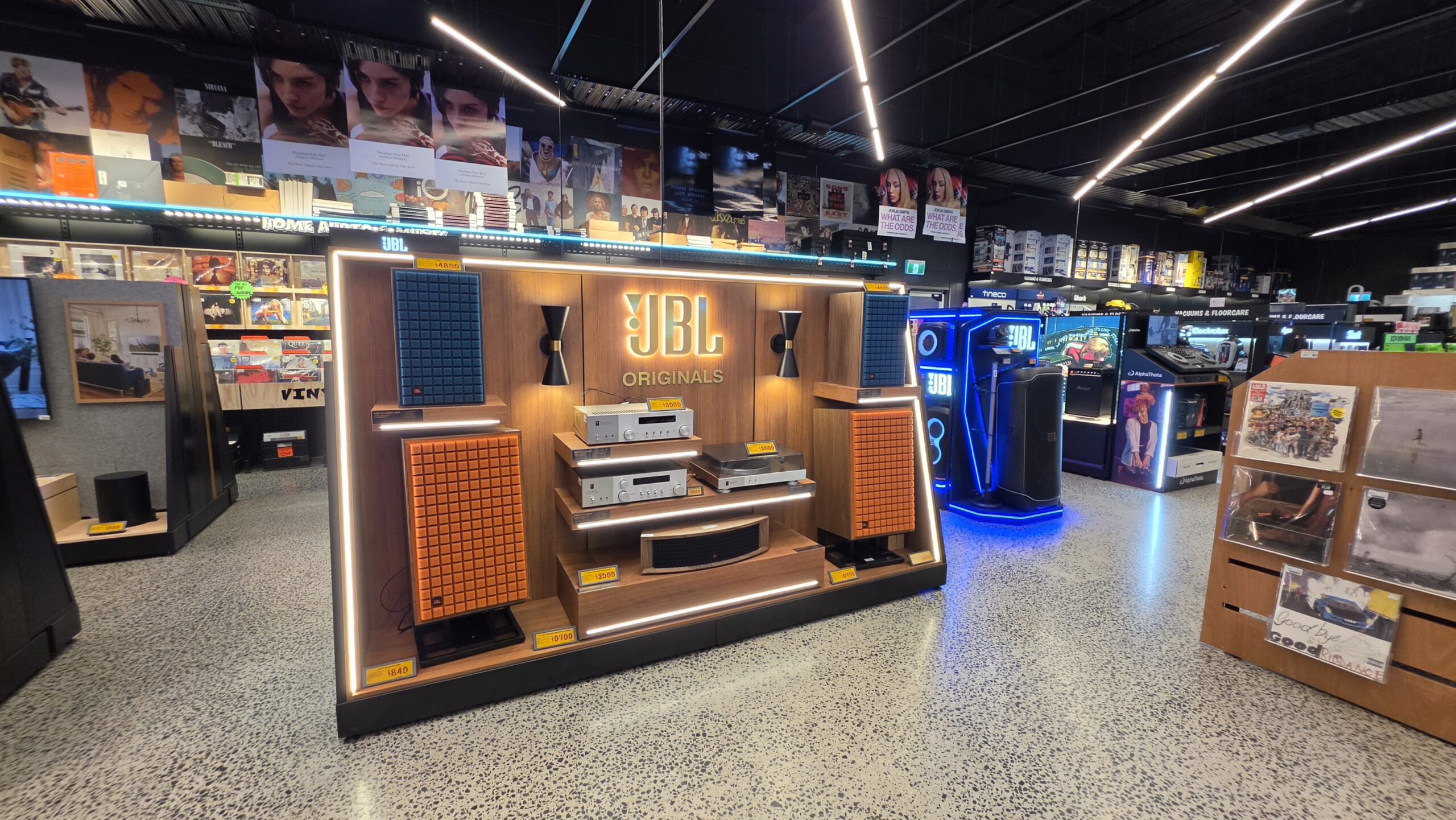
They could be making a serious mistake.
JB Hi-Fi’s immediate trading environment is undoubtedly difficult. Consumers are under pressure, housing activity is weak and shoppers are trading down to cheaper products.
At the same time, the artificial intelligence boom is distorting global technology supply chains. Semiconductor manufacturers are prioritising lucrative AI infrastructure, driving up component costs and creating availability problems across consumer electronics.
A recent trading update showing comparable sales growth falling 1.4% triggered a 13% share price rout.
But one soft trading period does not suddenly make JB Hi-Fi a bad retailer.
The fundamentals are not broken.
What the market appears to be overlooking is the arrival of new categories capable of driving consumers back into stores and online.
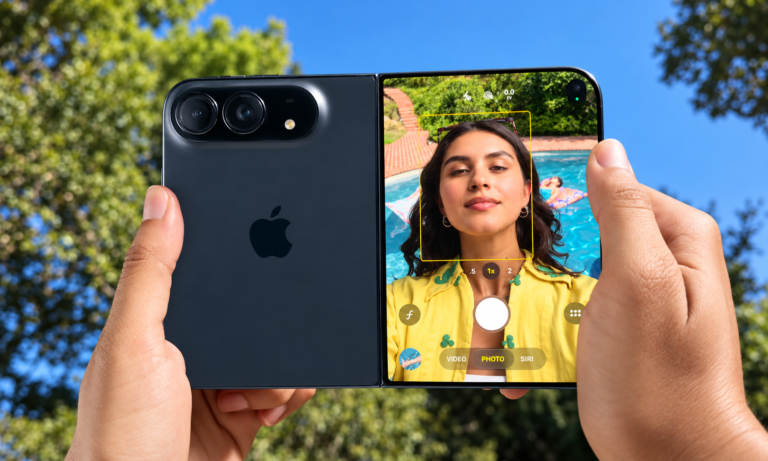
Apple’s launch this week of its first Duo foldable smartphone is one example. The product immediately shifts a stagnating smartphone market towards more expensive, premium devices.
Thousands of consumers will visit JB Hi-Fi stores simply to see it.
The Apple Duo may initially be a niche curiosity, particularly if supply is constrained, but Apple’s marketing machine will legitimise and expand the entire foldable category. That will also benefit Samsung, which pioneered the segment and already has a mature foldable range.
Global foldable shipments are expected to pass 100 million units cumulatively by the end of 2026, with Apple tipped to capture as much as 25% of the market during its first year.
For JB Hi-Fi, this means higher value sales, accessories, warranties and opportunities to upgrade customers who have held onto their smartphones for longer.
The bigger growth story, however, could be robotics.
Chinese technology companies dominated IFA 2026 in Berlin, and they were not winning because their products were cheap. They were winning because many of their products were better engineered, better featured and moving faster than those of established European and US competitors.
Robotic vacuum cleaners are already delivering double digit growth for JB Hi-Fi. Now the retailer is expanding into robotic lawnmowers and pool cleaners, creating entirely new revenue categories.
The Good Guys is particularly well placed because its larger stores have the space to demonstrate what these products can do.
Global robotic lawnmower shipments surged 182% to 1.318 million units in 2025 and are forecast to exceed 1.5 million in 2026. Australian household penetration remains below 2%, leaving an enormous runway for growth.
Brands including Mova, Ecovacs and Roborock are competing through LiDAR navigation, advanced sensors, artificial intelligence and all terrain capability, rather than simply undercutting rivals on price.
That matters because genuine innovation can support healthier retail margins.
Robotic pool cleaners represent another major opportunity. The global category is forecast to grow from US$1.3 billion in 2026 to US$2.15 billion by 2032, driven by cordless designs, intelligent mapping and sensor based navigation.
These are not replacement toaster categories. They are new, high value products capable of generating fresh store traffic.
At IFA, I spoke with JB Hi-Fi Group chief executive Nick Wells and Harvey Norman electrical executive general manager Hayden Meyer. Both were examining Chinese appliance and technology products that are likely to shape the next phase of Australian retail growth.
The products coming from China are no longer copies of Western technology. In many emerging categories, Chinese businesses are setting the global standard.
JB Hi-Fi has the management team, supplier relationships, buying power and national retail network to capitalise.
Wells has been described by former group chief executive Terry Smart as “very smart and capable”.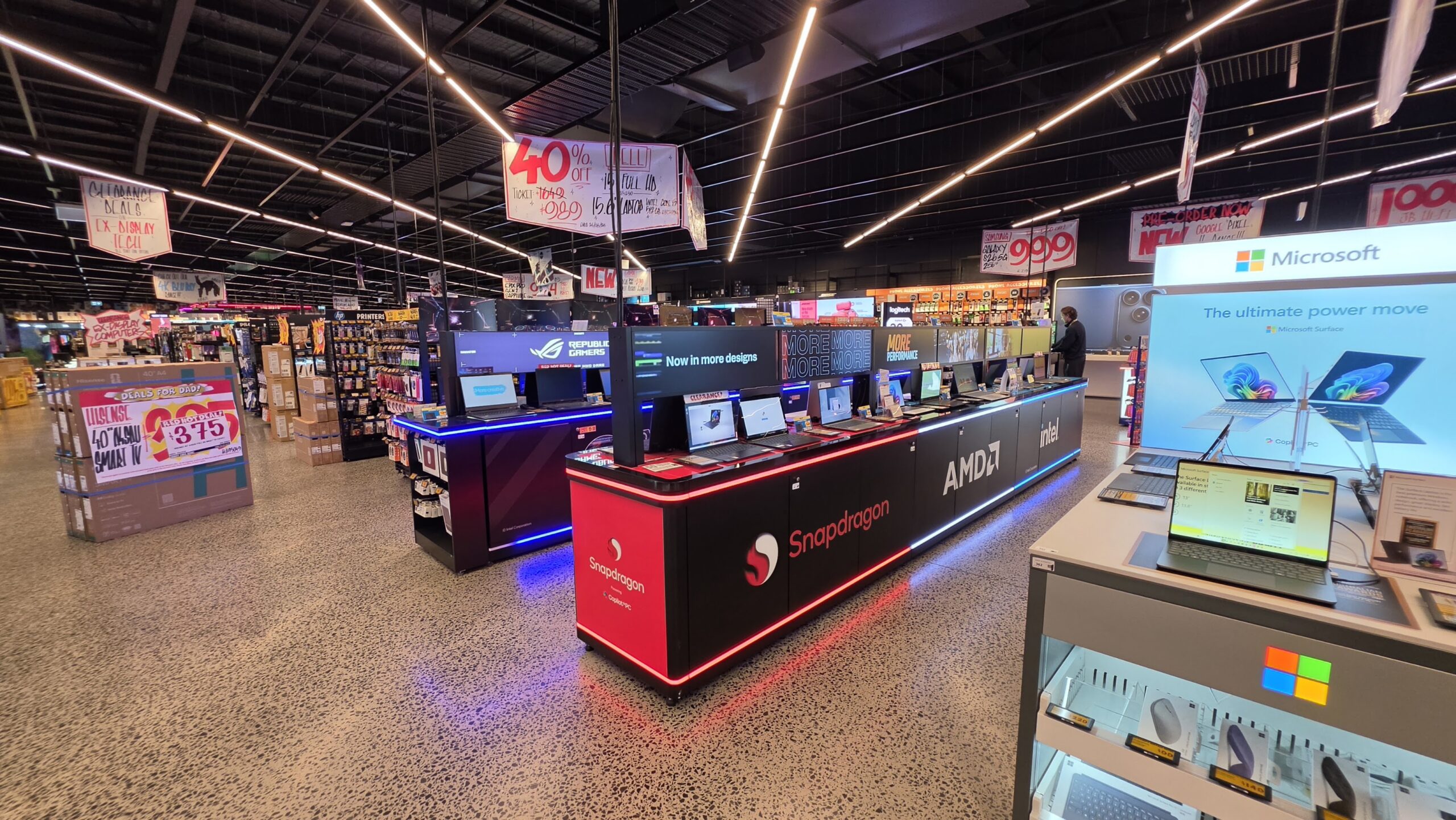
Smart should know. He helped train him.
Then there is Cameron Trainor, the chief executive of JB Hi-Fi Australia, who has one of the sharpest eyes in the industry for pricing, growth categories and store presentation.
He is currently overseeing a significant transformation of the JB Hi-Fi store network.
When founder and former chief executive Richard Uechtritz retired from the board, JB Hi-Fi turned to a proven operator, bringing Terry Smart back as a director.
As one major supplier told ChannelNews: “Having Terry Smart back pulling the levers at JB Hi-Fi is a massive plus. I have worked with the Company for many years and they always have an answer to a problem especially when it comes to management changes.”
Also back is former marketing executive Scott Browning, one of the architects of the brand, signage and marketing disciplines that helped make JB Hi-Fi successful.
Craig Mackie, who heads the group’s buying operations and is regularly mentioned as a future chief executive candidate, adds further depth.
This is not a collection of executives learning retail from a spreadsheet. These are seasoned consumer electronics and appliance operators who understand products, suppliers, pricing, stores and customers.

JB Hi Fi Charman Stephen Goddard and right CEO Nick Wells
More importantly, JB Hi-Fi has a history of identifying growth categories before its competitors fully understand them.
The retailer may face a bumpy ride through Black Friday and a flat end to the calendar year. But that is a trading cycle, not a broken business model.
Foldable smartphones, home robotics, pool technology, robotic lawn care, health and wellness products and new AI powered devices are creating categories that barely existed several years ago.
Consumers have not stopped wanting technology. They are waiting for compelling reasons to upgrade.
Those reasons are coming.
When market conditions improve, JB Hi-Fi will be in a prime position to benefit. It has the brand, management, scale, store network and buying expertise required to turn emerging technology into mainstream retail sales.
The share market is currently pricing JB Hi-Fi as though its best days are behind it.
The technology coming down the pipeline, and the calibre of the people running the company, suggest the opposite.