Bunnings Facing Slow Summer Sales, Rising Warehouse Costs
 Nathan Jolly
30 Nov 2022
Nathan Jolly
30 Nov 2022

Bunnings is facing increased warehousing costs as wet weather across the country slows DIY projects and leaves the retailer with bloated inventory levels.
With the wet weather expected to continue over the summer, stock that Bunnings pre-ordered in anticipation of a strong spring and Christmas period will now sit in third-party warehouses, which are currently at a premium, due to other retailers experiencing similar bloat.
The situation was become so dire that Bunnings is looking into the logistics of building its own warehouse in South Australia rather than pay the exorbitant prices asked by third-parties.
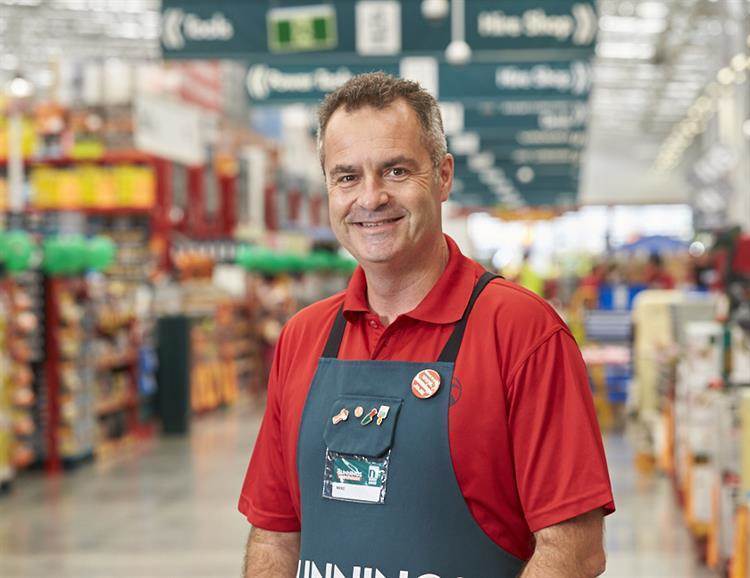
“As we do every year, we use warehouse space to support seasonal stock, and over time we have grown warehouse capacity in line with business growth,” Bunnings managing director Mike Schneider (pictured below) explained to The Australian.
“Given the cooler and wetter conditions in some markets, sales in outdoor-related categories have been softer, which means some of our additional warehouse capacity may be maintained. Like all retailers, we will continue to manage our stock position to ensure our customers can access the products they need.”
These elevated costs and dipping sales have led investment firm USB to raise concerns, in its overall report on parent company Wesfarmers.
Analyst Shaun Cousins has actually revised upwards his earnings guidance for 2023 and 2024, noting strong performance by Kmart and Wesfarmers’ chemicals division, WesCEF.
“Reduced Bunnings sales and earnings before tax due to lower revenue per Bunnings store,” Cousins predicted, “due to lower DIY revenue – wet weather delaying, and overall reducing, spring sales, plus a more conservative outlook – albeit still above pre Covid due to a better network.”
Noting the “significant headwinds” the Australian consumer is facing, Cousins notes that, despite the wet weather, Bunnings seems evergreen,
“For Wesfarmers, the company is comparatively well positioned for a slower consumer environment, especially in its larger retail businesses Bunnings and Kmart.
“Each holds a strong value proposition for consumers with a track record of lowering prices / holding back prices in the face of cost inflation.”
UBS has revised its earnings guidance for Wesfarmers by 0.8 per cent in 2023, and up 2.8 per cent in 2024.
It has, however, lowered its Bunnings sales outlook by 2.1 per cent, and the pre-tax earnings forecast by 0.9 per cent, to $2.17 billion.