Australian Buyers Flock to China’s Canton Fair as Trade Tensions with U.S. Spur Export Push
 David Richards
16 Oct 2025
David Richards
16 Oct 2025
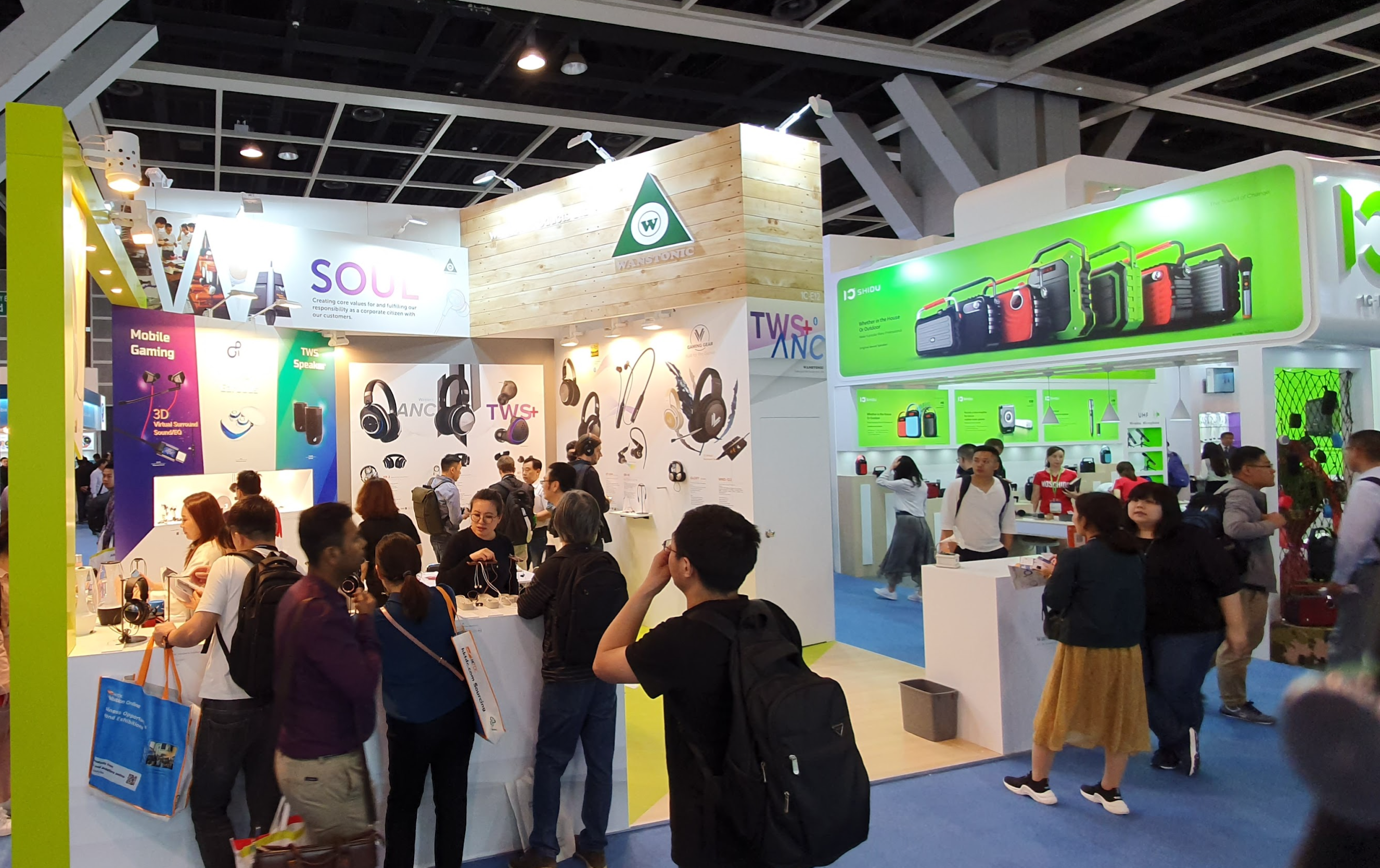
Australian retailers, distributors and brands have descended on China this week as manufacturers seek to expand into the Asia-Pacific region amid escalating U.S.–China trade tensions and new tariffs threatened by Donald Trump.
The main drawcard is the 138th Canton Fair in Guangzhou — one of the world’s largest trade exhibitions — where more than 32,000 Chinese companies are showcasing products ranging from electronics and home appliances to vehicles and industrial equipment. According to China’s Ministry of Commerce, over 200,000 overseas buyers have registered for the event, including more than 4,000 Australians.
Many of the exhibitors have previously supplied leading global brands such as Logitech, Belkin, Lenovo, JBL and Sony, as well as major European appliance makers and are now looking for new customers to manufacture products for.
The Canton Fair, which runs in three phases through to November 4, has become an increasingly important sourcing hub for Australian distributors and retailers. With many big-name brands now selling direct to consumers, local retailers are leaning more heavily on distributors to bring in new and innovative products.
“We need distributors, and they need us,” one leading retailer told ChannelNews. “As major brands move to direct retail models, the partnership between distributor and retailer is more crucial than ever — they’re the ones hungry to deliver new products.”
Trade Tensions Drive China’s Export Pivot
China’s exporters have recently moved to aggressively court distributors in Australia to offset volatile trade relations with the U.S.
Last week, Beijing expanded export controls on rare earths and other goods, prompting Trump to threaten a 100% tariff increase on all Chinese imports from November 1.
Both nations have since imposed port fees on each other’s vessels, adding further uncertainty to global trade.
Despite these headwinds, China’s export sector remains surprisingly resilient.
Exports rose 8.3% year-on-year in September, helped by strong demand from Countries outside the USA, this helped them offset a 27% drop in shipments to the U.S.
Analysts believe some of this trade involves transshipping — re-routing goods through third countries to avoid tariffs — a practice Washington is now targeting with a proposed 40% surcharge.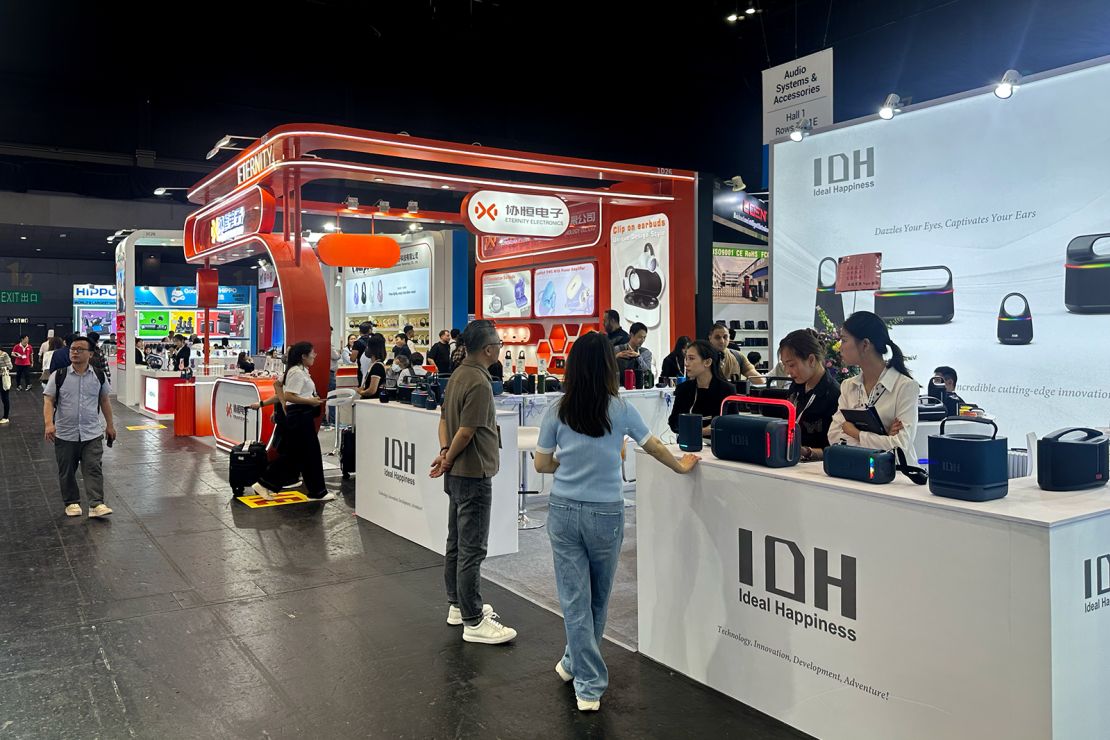
Yesterday the 1.55 million-square-metre Canton Fair venue was packed with buyers including Australians scouting goods including smartphones and audio products to small appliances and home tech as well as wearables and health care.
“Promotion for this event was huge,” claimed one Australian visitor.
For many exhibitors, finding growth outside the U.S. remains challenging.
To help exporters, Beijing has introduced fee discounts and tighter regulations at trade shows.
The cost of a 9-square-metre booth for home appliance companies has been halved to around US$1,600, while the Ministry of Commerce has cracked down on scalpers reselling booth space and passes.
Several Australian manufacturers have taken stands at the show in an effort to sell products into foreign markets.
Earlier this year, the Canton Fair held in April drew 228,000 overseas buyers — with visitors from Countries such as Australia, South African The Middle East, jumping 24% year-on-year, outpacing modest growth from the U.S. and Europe.
Some exhibitors are tailoring their booths to international audiences, hiring multilingual staff and adding Arabic and regional-language labels to attract new buyers.
Competitive Pressures Fuel Export Drive
According to Nikki Asia China’s exporters are under increasing pressure to go global as domestic demand weakens and overcapacity drives down prices.
The country’s Producer Price Index fell 2.3% year-on-year in September, marking the third consecutive year of declines.
The competitive tension is evident on the show floor.
As one exhibitor put it, “When the home market slows, the world becomes your showroom.”