AI Memory Crunch Smashing Cheap Smartphone Sales
 David Richards
14 Aug 2026
David Richards
14 Aug 2026
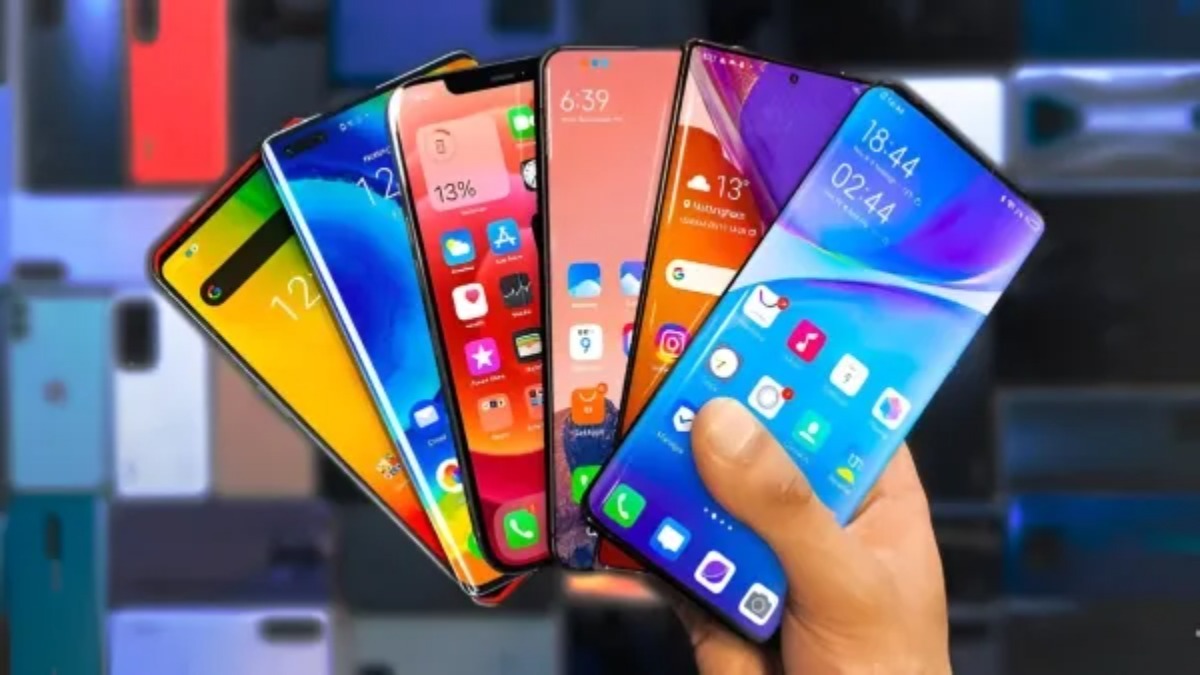
Australia’s cheapest smartphones could begin disappearing from shelves as an AI-driven memory chip shortage sends component costs soaring and forces manufacturers to raise prices, cut specifications or abandon the budget end of the market.
The pressure is already being felt overseas. Counterpoint Research reported that in some markets smartphone sales in the sub-A$149 equivalent price segment plunged 64% year-on-year in the second quarter of 2026, highlighting the growing strain on the entry-level market.
Analysts warn the situation could deteriorate further, with prices for value smartphones and notebooks potentially rising another 10% by the end of the year as manufacturers struggle with sharply higher memory costs.
At the centre of the disruption is booming demand from artificial intelligence data centres.
Data centres running large language models are consuming vast quantities of high-bandwidth memory (HBM), prompting DRAM manufacturers to prioritise the higher-margin chips used in AI infrastructure and servers over the cheaper commodity memory found in smartphones and other consumer electronics.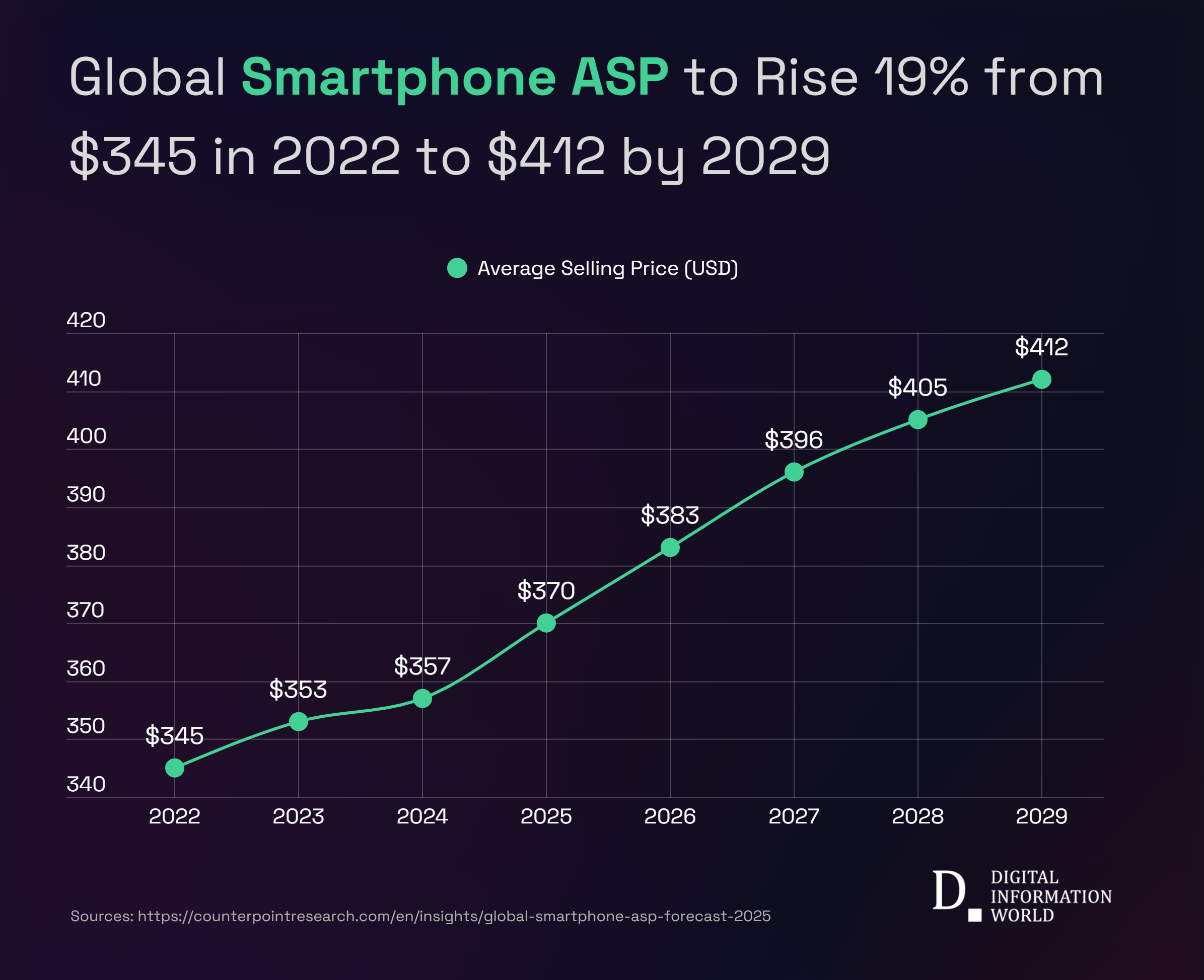
The resulting squeeze is hitting entry-level handsets particularly hard.
Omdia expects memory costs for handsets priced below about A$140 to surge 400 per cent in the third quarter of 2026, with the memory bill for a common configuration reaching US$70, compared with just US$14 a year earlier.
Omdia senior research manager Jusy Hong said it had become “impossible” to profitably manufacture smartphones selling for less than US$100.
Memory now represents close to 60 per cent of the total bill of materials for smartphones priced below US$400 and more than 64% per cent for devices at the very bottom of the market.
Counterpoint has described the sub-A$200-equivalent segment as the “worst hit” part of the smartphone market, while in Australia the pressure is expected to extend well into devices selling for less than A$600.
Budget-focused manufacturers are among the most exposed. Brands including Honor, Nothing, Oppo and HMD face pressure to increase retail prices to protect margins just as cost-conscious consumers begin pulling back on spending.
Samsung’s Galaxy A0x and A1x devices and Motorola’s Moto G and Moto E ranges are also exposed to the higher component costs.
Premium smartphone makers are better positioned to absorb the increases because flagship devices carry substantially higher margins and manufacturers have greater flexibility to adjust other components or bundle additional features and accessories.
The widening divide is expected to reshape smartphone sales during 2026.
Omdia forecasts shipments of smartphones priced below A$600 will fall by more than 22% per cent this year, helping push the overall global smartphone market down 12% per cent. In contrast, shipments of devices above A$600 are forecast to grow 5.7 per cent as manufacturers shift their attention away from increasingly unprofitable entry-level models.
Manufacturers are also turning to specification cuts to contain costs.
Some are replacing more advanced LTPO displays with older LTPS panels, reducing the number or quality of rear cameras, fitting smaller camera sensors and returning to previous-generation processors.
The result could leave consumers paying more for smartphones containing less capable hardware.
Australian retailers and telecommunications providers could see the effects become increasingly visible over the next two quarters, with the sub-A$200 prepaid ranges sold through retailers and providers including JB Hi-Fi, Telstra, Optus and Woolworths Mobile expected to become noticeably thinner.
The market is also becoming increasingly difficult for smaller smartphone manufacturers, which lack the purchasing scale and component supply agreements enjoyed by larger companies.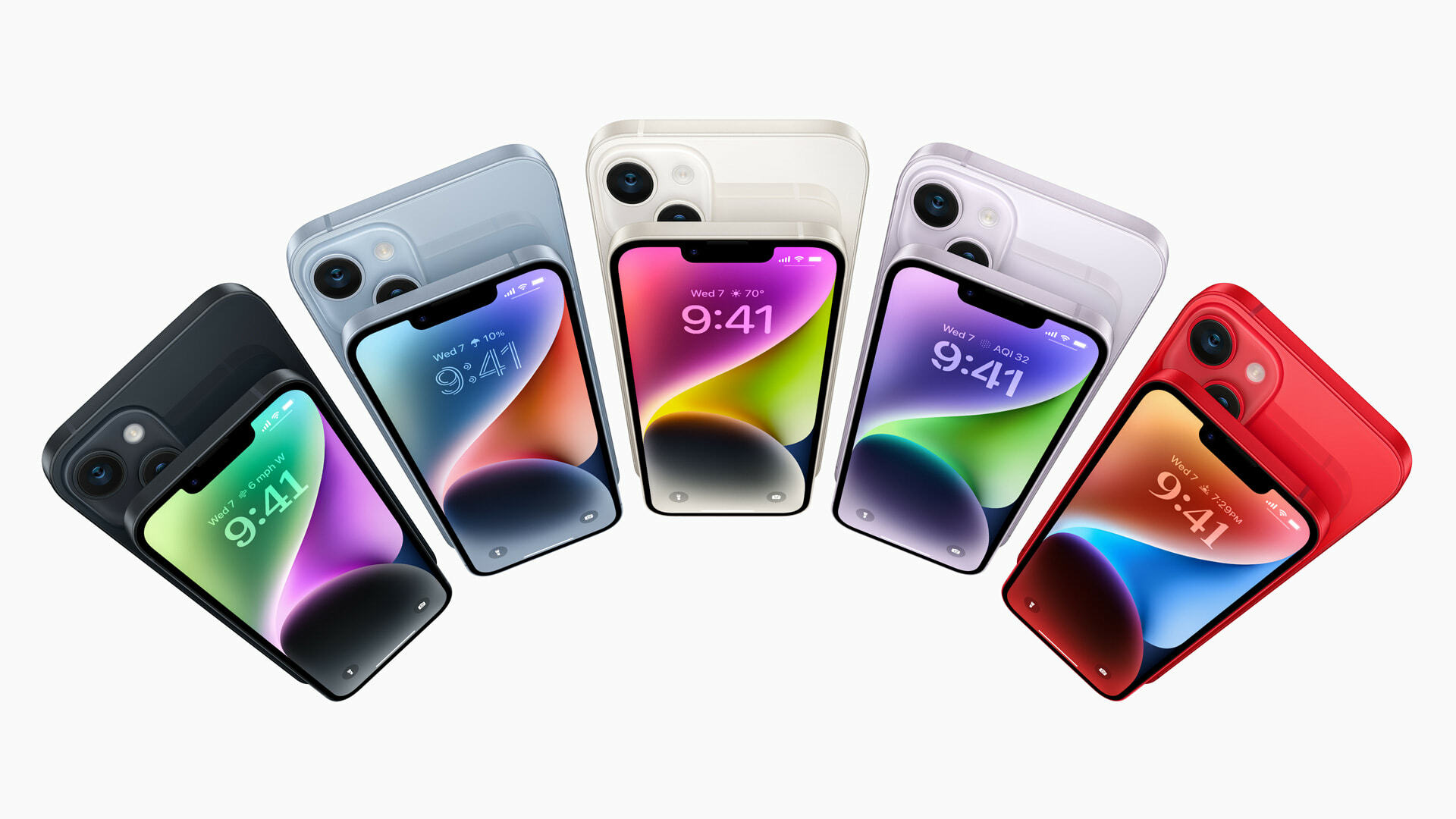
Combined sales from Apple, Samsung, Motorola and Google fell just 4% per cent in the latest quarter, while sales across all other brands combined dropped 45 per cent, underscoring the growing divide between the largest manufacturers and their smaller rivals.
HMD, the company that has produced Nokia-branded smartphones, has already exited the US market, while discounted HMD devices have appeared at Australian retailers including JB Hi-Fi.
Motorola and Samsung have also increased prices across parts of their budget ranges. Those increases have contributed to a shift in sales into higher price bands, with the $200-to-$299 segment almost tripling its share of the market.
Further increases could follow as the industry enters its major second-half product launch cycle.
Apple is expected to unveil its iPhone 18 range in September amid expectations of higher pricing, while Google’s Pixel 11 has already moved higher than its predecessor.
With AI infrastructure continuing to compete with consumer electronics for memory production capacity, the era of the ultra-cheap smartphone may be approaching its end — and Australian consumers are likely to pay more for increasingly modest hardware at the bottom of the market.