BREAKING NEWS: Rescue Bid For Barbecue Galore Fails Now Being Wound Up Bunnings Blamed
 David Richards
09 Jun 2026
David Richards
09 Jun 2026
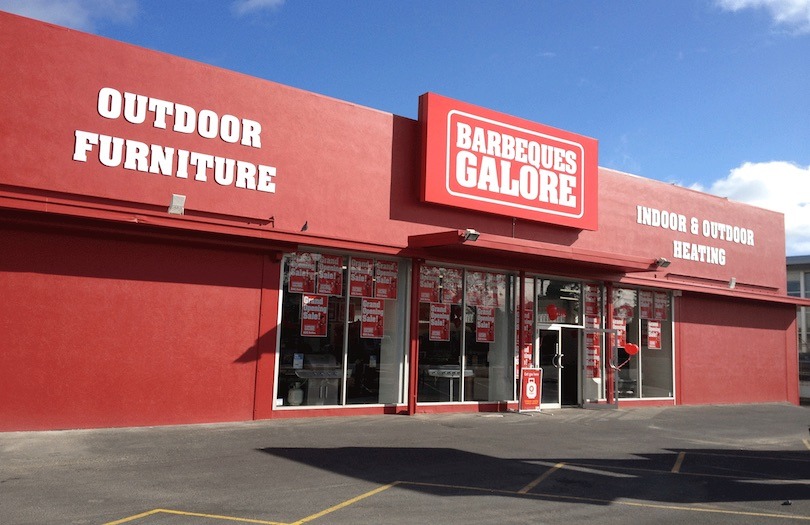
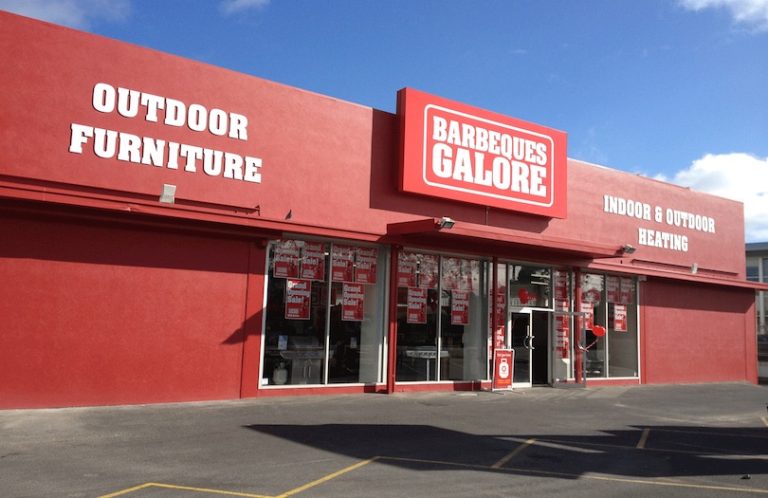
Changing market conditions have impacted a rescue bid for Barbecues Galore with the retailer that was founded in 1976 set to be wound up.
Barbeques Galore was placed into voluntary administration in February, kicking off a sale process led by professional services firm Ankura, and Grant Thornton as administrators.
The auction was understood to have attracted interest from other parties, including consumer electronics retailer digiDirect and ASX-listed Super Retail Group.
However, none of these proposals were considered sufficient to discharge the debt owed to the secured creditor and employees.
A new plan was developed that was based on keeping the national retailer as a going concern.
The concept was based on a deed of company arrangement proposal from Barbeques Galore’s primary lender Gordon Bros, which in May was deemed the best outcome for all stakeholders by the receivers.The stumbling black appears to have been a fall out with suppliers who wanted o be paid out with the deal not proceed because of an inability to agree on commercial trading terms.
According to the AFR the winding-up process is scheduled to start on June 16. It is expected to result in 62 stores closing, and transitional arrangements put in place for the 27 franchisee-owned and operated stores.
Entitlements and benefits will be paid out in full to Barbeques Galore’s 500-strong workforce and all gift cards honoured through to June 30.
As part of its deed of company arrangement (DoCA), Gordon Brothers had agreed not to request immediate repayment of its debt facility.
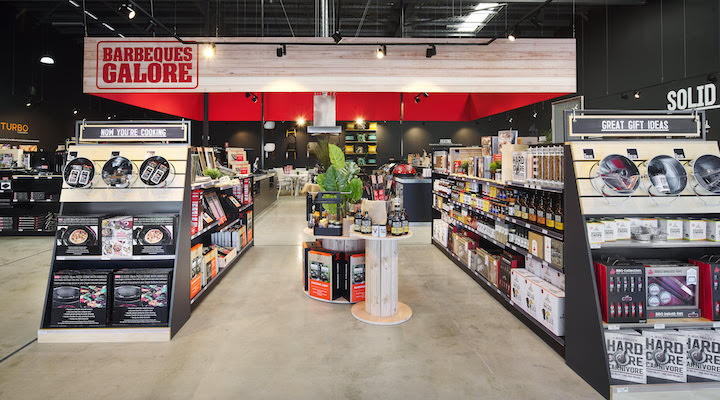
It also proposed to continue to fund the group on the basis that its debt was secured against Barbeques Galore’s intellectual property, brand value and inventory, and support the leadership team’s turnaround plan, led by chief executive David White and chief financial officer David Hughson.
Importantly, the proposal was conditional on the outcome of negotiations with counterparties, including landlords and suppliers, and their agreement to reestablish acceptable commercial trade terms moving forward.
It is understood that in the weeks since, the company and its advisers have been unable to reach an agreement with several suppliers, namely H&H, the manufacturer of some of Barbeques Galore’s own-brand products such as Ziegler & Brown’s Ziggy range.
Of note, H&H was the only party to have voted against the DoCA proposal, according to minutes from the May creditor’s meeting.
In addition, several of Barbeques Galore’s Chinese suppliers failed to have their insurance with state-owned trade credit insurer Sinosure reinstated, meaning they were unable to provide commercial payment terms moving forward. This would have had a significant impact on the working capital of the business under the DoCA, sources said.
“ This is a disappointing result in the circumstances, and we feel for the amazing team at Barbeques Galore who have worked tirelessly over the past few months to try and save the business,” Quentin Olde, senior managing director at Ankura and one of the receivers, told Street Talk.
“Unfortunately factors outside our control, including the challenging retail environment, have meant the business is unsustainable”
Barbeques Galore is one of Australia’s oldest specialty retail chains. It was founded in Sydney in 1976 by Max Mason and grew from a barbecue-focused retailer into a national chain selling outdoor furniture, heating products, pizza ovens, smokers, and related outdoor-living products.
Over the years it listed on the ASX, later on Nasdaq in the US, survived the collapse of its US business during the 2008 financial crisis, and passed through several private-equity owners including Ironbridge Capital and later Quadrant Private Equity.
The company’s problems were not caused by a single event but by several long-term pressures:
Weak consumer spending during Australia’s cost-of-living squeeze reduced demand for discretionary purchases such as premium barbecues and outdoor furniture.
Competition intensified from Bunnings, online retailers, and specialist brands. Analysts have pointed to broader structural challenges facing “category killer” retailers that focus on a narrow segment.
The company reportedly accumulated significant debt and struggled with liquidity (cash-flow) issues despite efforts to improve operations.