David Richards
10 Jun 2026
David Richards
10 Jun 2026
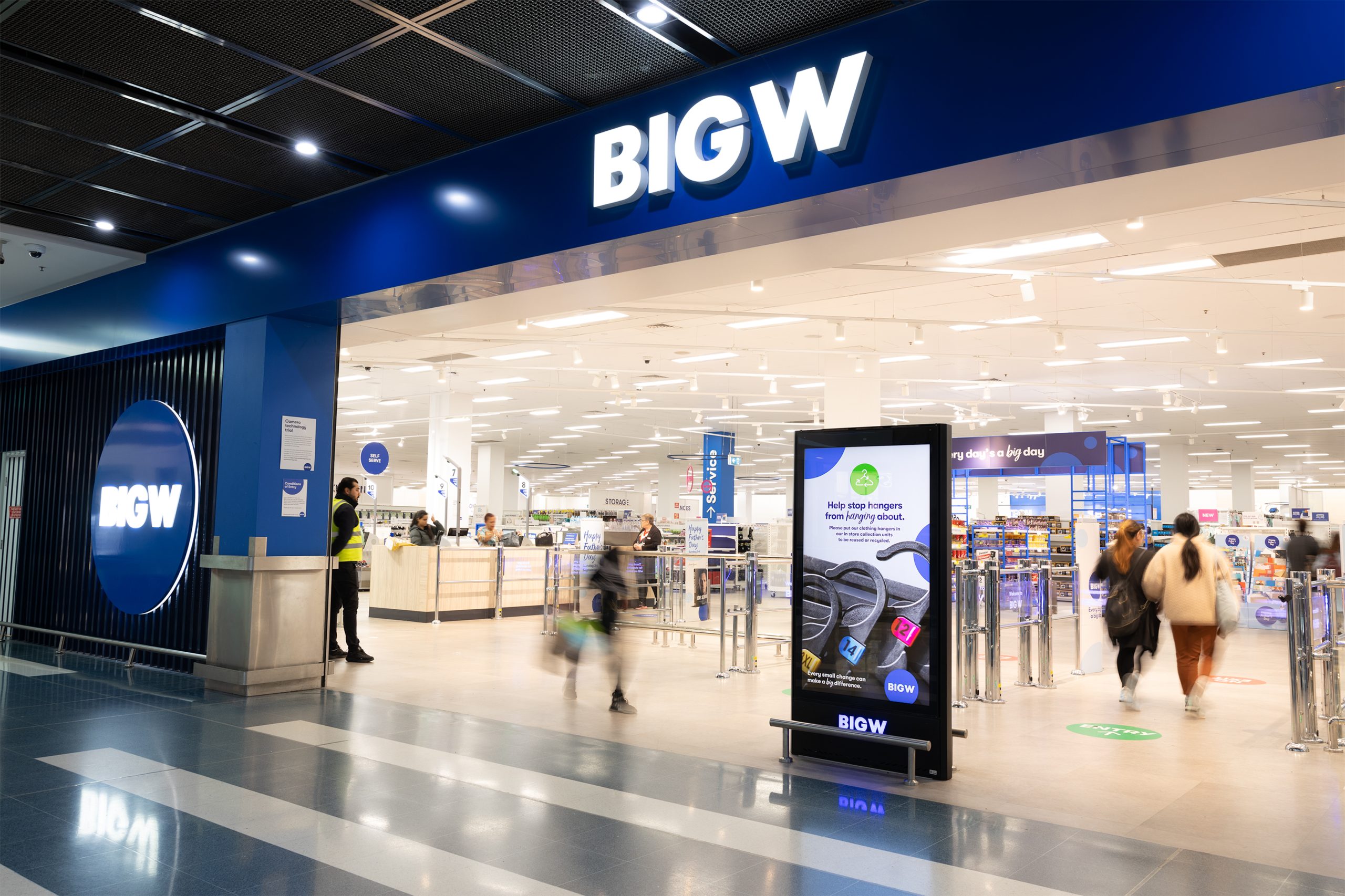
Big W owner Woolworths is set to offshore hundreds of corporate jobs, due to high inflation cost-of-living pressures and the expansion of Amazons product ranges in Australia, a move that is directly impacting Big W, Kmart and Target.
The move to axe staff in Australia is not good news for Prime Minister Anthony Albanese and the Federal Labor Government with Treasurer Jim Chalmers financial policies following the recent budget now impacting retailers directly.
According to multiple sources Woolworths is set to move hundreds of IT, finance and HR roles offshore to India and Asia claims the AFR.
The move comes as the battle in the Australian discount department store sector has intensified, with Wesfarmers’ Kmart Group (which encompasses Kmart and Target) currently dominating the space, leaving Woolworths-owned Big W fighting a challenging, structural battle to retain market share as management moves to cut costs in an effort to lift profits.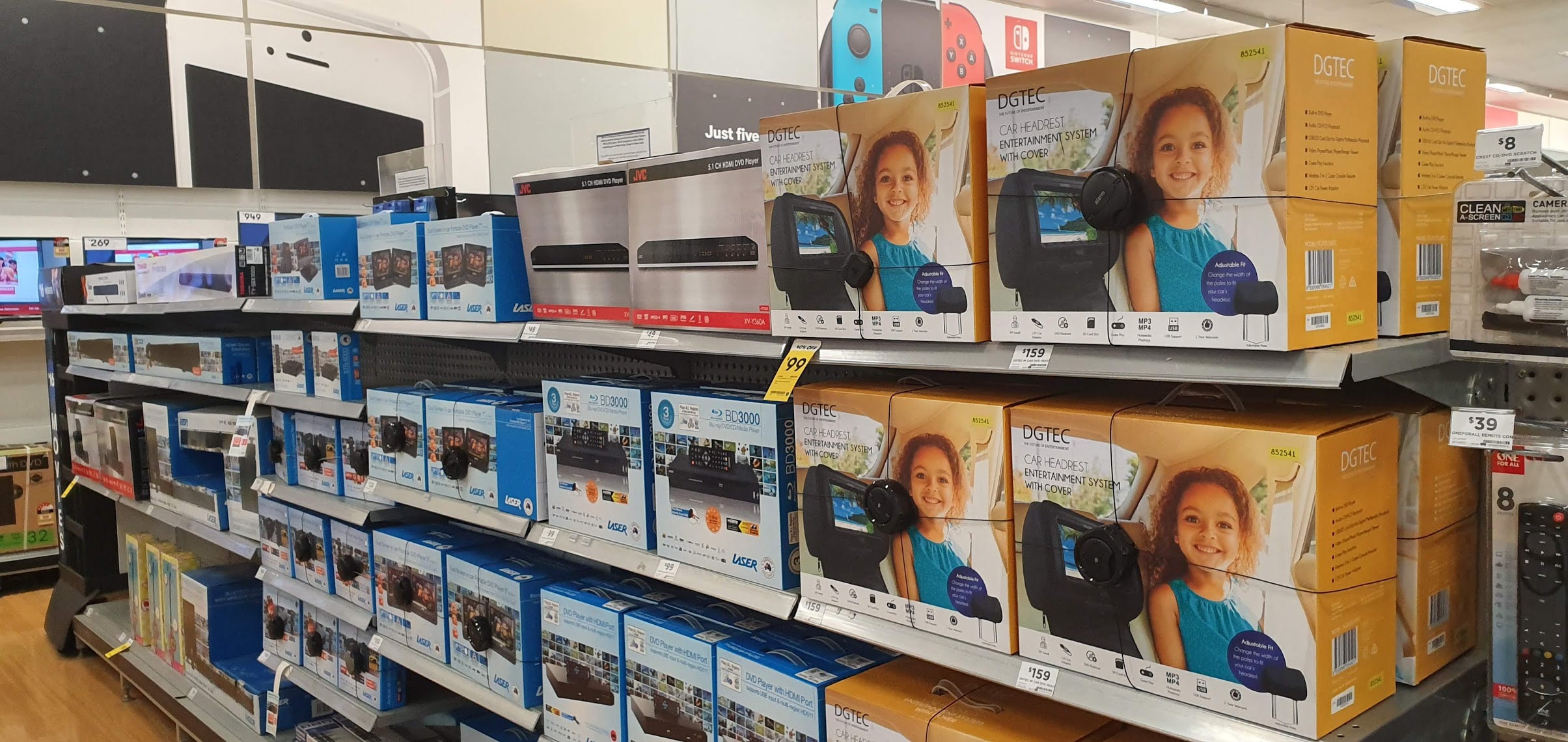
A Woolworths spokesperson confirmed the outsourcing move but declined to say how many workers would be affected because the company would only begin consultations with staff today, with media confirming the move before staff were told that their jobs are facing the axe.
Big W has faced highly volatile financial performance, with fluctuating revenues and investor pressure on Woolworths Group to justify keeping the business.
However, recent data highlights a tentative stabilisation due to a lift in sales.
In its Q3 2026 results, Big W posted a 3.9% lift in total sales to $1.032 billion, driven by strong winter apparel sell-through and an expansion of its own home ranges.
Despite the revenue lift, Big W is trapped in a volume-versus-margin dilemma.
Comparable item volumes actually fell by 2.2% in the same period with their the revenue growth propped up by higher average selling prices and fewer clearances.
Big W’s genuine competitive edge is currently online.
eCommerce sales have seen double-digit growth, with digital penetration accounting for over 17% of its total gross transaction value with backend jobs tipped to be moved to India.
A Woolworths spokesperson said “To continue our commitment to deliver the dependable low prices and better shopping experiences our customers expect, and to remain competitive with the rapid expansion of international players in the market, we are continuing to transform our business. This includes removing complexity, increasing productivity and efficiency.”
Amazon has been among the international operators along with Temu that is impacting big discount retailers in Australia.
In May, National Australia Bank flagged plans to hire more than 1000 staff at its offices in Vietnam and India.
Officeworks, owned by Wesfarmers, is also cutting hundreds of local jobs as part of a corporate restructure, and moving customer service centre roles to India and the Philippines.
The single biggest disruptor to Big W’s business model has been Kmart’s vertically integrated “Anko” house brand strategy.
This playbook has placed enormous structural pressure on Big W in several ways claim analysts.
Historically, Big W relied on selling established, third-party national brands at promotional discounts.
Kmart flipped this model by replacing almost all national brands with its own proprietary label, Anko.
Because Wesfarmers controls the design, manufacturing, and supply chain of these products directly, they command vastly superior profit margins while undercutting Big W on retail price.
As a result Big W has been forced to play catch-up to avoid being entirely priced out of the market.
This has triggered an aggressive pivot away from third-party brands and toward low-cost house brands with traditional CE suppliers now facing their own pressures due to demands from buyers with some suppliers walking away from supplying the big retailer.
Big W has aggressively pushed its own private-label homewares brand, with the Company now trying to develop high-volume private label good as they move to compete with Kmart in categories like Consumer Electronics (CE) and appliances.
The problem for Woolworths is that Kmart has conditioned the Australian shopper to expect unbeatable, baseline everyday low prices on home essentials, Big W’s core “Everyday” categories continue to struggle. Big W has admitted that everyday categories remain heavily challenged, forcing them to launch major national pricing campaigns (“Big Price Drops”) to protect foot traffic.
In the past year, Woolworths chief executive Amanda Bardwell has slashed $400 million in costs at the group and cut the number of products the supermarket group sells to help improve its profitability. Last year, Coles and Woolworths successfully saw off a federal government inquiry, which failed to prove that they were price gouging, despite accusations by suppliers and consumer groups. However, Coles suffered a blow in May when parts of its long-standing “Down Down” marketing campaign, which promoted grocery items as being discounted, were found to be misleading.