Analysts Bullish On JB Hi Fi & Harvey Norman As CE Sales Defy Consumer Spending Slowdown
 David Richards
10 Jun 2026
David Richards
10 Jun 2026
After a bruising 12 months that wiped billions of dollars from the market value of Australia’s leading electronics retailers, analysts are now identifying JB Hi Fi and Harvey Norman as potential buying opportunities as fresh consumer spending data points to surprising resilience in technology sales.
Shares in JB Hi Fi have fallen sharply from a 52 week high of around $121 to $73.45, while Harvey Norman has retreated from $5.50 to $4.56 over the same period, leaving investors questioning whether the sector’s best days are behind it.
However, new research from investment bank Macquarie suggests the market may have become overly pessimistic, particularly as Australians continue to spend on technology products despite cutting back in other discretionary categories.
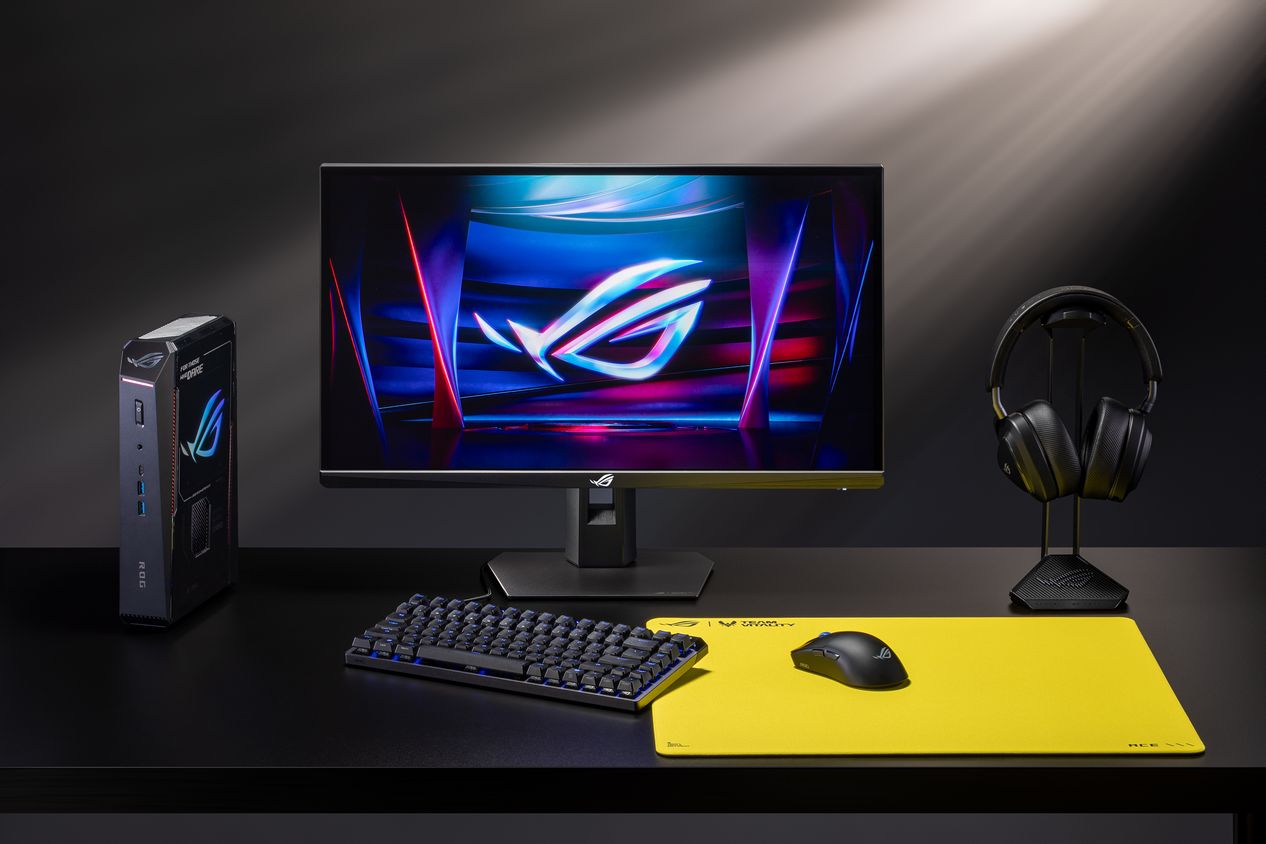
The latest data shows consumers are spending less on furniture, alcohol and other discretionary purchases, but electronics and pharmacy sales are continuing to grow, providing a significant boost for retailers exposed to those sectors.
Macquarie’s high frequency consumer spending analysis, which tracks weekly bank card transactions across Sydney and Melbourne, identified electronics retailing as one of the strongest performing categories heading into the critical end of financial year sales period.
The investment bank said sales momentum at both JB Hi Fi and Harvey Norman accelerated during April and May compared with the same period a year earlier.
“We see long term upside for JB Hi Fi (recommendation: outperform) driven by cost management and execution, with growing evidence the category is proving resilient,” Macquarie said in its latest report.
“For the period of April and May 2026, electronics saw a significant improvement in sales momentum year on year. We continue to flag end of financial year trading through to the end of June as the key trading period for retailers.”
The positive outlook comes despite ongoing concerns about consumer spending and elevated living costs.
Analysts argue that technology products are proving more resilient than many expected because consumers continue to replace essential items such as smartphones, computers and household appliances even during periods of economic uncertainty.
The emergence of artificial intelligence enabled devices is also expected to trigger a new upgrade cycle for PCs and consumer electronics, creating another growth opportunity for retailers heavily exposed to the category.
JB Hi Fi remains the analysts’ preferred exposure to the sector, underpinned by strong sales performance, consistent profitability and a proven track record of controlling costs.
Harvey Norman presents a more complicated investment case.
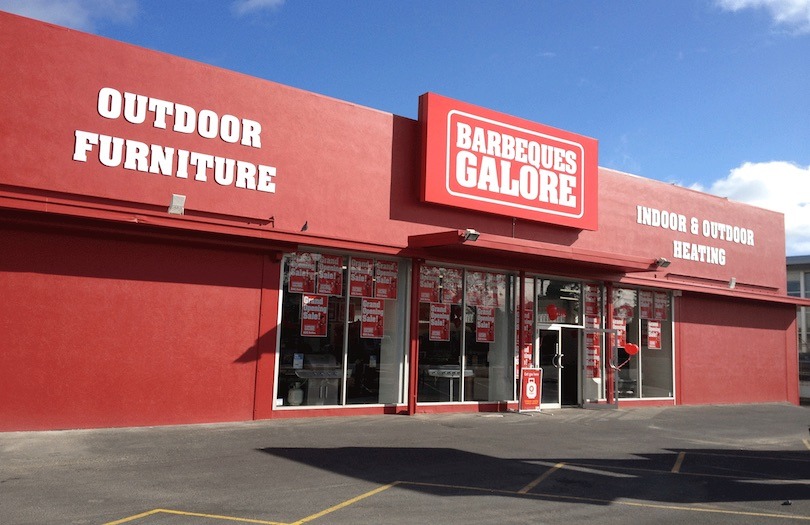
While analysts acknowledge the company’s substantial property portfolio, attractive dividend yield and potential upside from improving consumer confidence, the retailer remains heavily exposed to furniture and homewares, categories that are increasingly feeling the effects of a slowing housing market.
Unlike JB Hi Fi, Harvey Norman’s fortunes are closely tied to housing turnover and big ticket household purchases, both of which have weakened as consumers delay major spending decisions.
Macquarie warned that furniture remains one of the most vulnerable retail categories.
“Furniture category is likely to be under the greatest pressure from a slowdown in consumption growth, housing turnover and delayed big ticket spending, and our data is beginning to reflect this,” the bank said.
The divergence between technology and furniture spending is becoming increasingly apparent across the retail sector, with electronics emerging as one of the standout performers despite broader economic headwinds.
For investors, the message from analysts is clear: while both JB Hi Fi and Harvey Norman have suffered significant share price declines, improving electronics sales and the prospect of lower interest rates are creating conditions for a potential recovery.
However, most analysts continue to favour JB Hi Fi as the stronger long term retail investment, citing its exposure to resilient technology categories and its ability to generate earnings growth even in a cautious consumer environment.